Kenya vs Tanzania safari: an honest comparison
Kenya or Tanzania? Where the migration is month by month, how the parks differ, what drives the cost, and how to combine both in one trip.
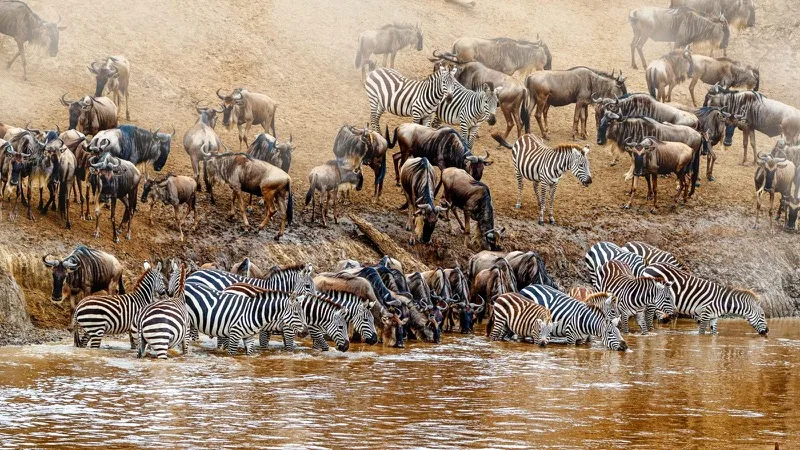
Both are excellent, and for most first safaris the choice comes down to when you’re travelling and what else you want to see. From about July to October the migration herds are usually in Kenya’s Maasai Mara and Tanzania’s northern Serengeti; from December to March they’re in the southern Serengeti, so Tanzania has the herds. Kenya is usually quicker to reach and to get around, while Tanzania has bigger distances, the Ngorongoro Crater and Zanzibar on the doorstep.
We’re a Kenyan company, so you’d expect us to say Kenya. We do sell Kenya–Tanzania trips too, and there are months when we’d point you south of the border. Here’s how we’d think about it.
The migration, month by month
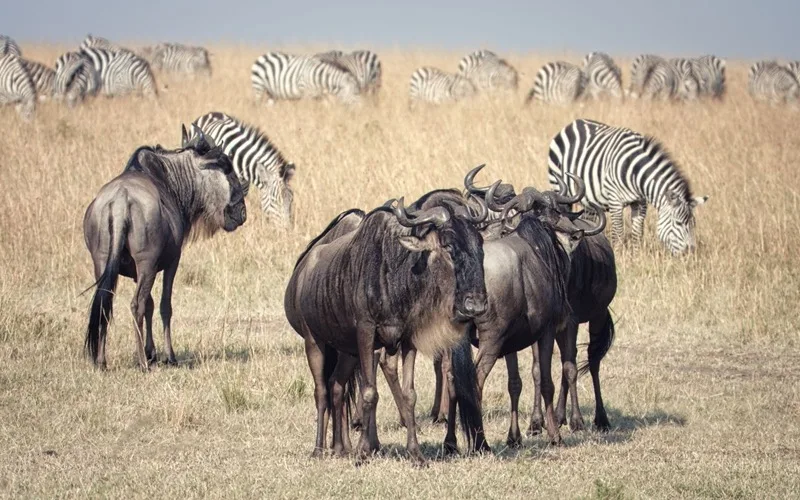
The Mara and the Serengeti are one ecosystem split by a border. The herds follow the rain and fresh grass in a loose loop, and the rain moves the timing by weeks from one year to the next. Treat this as the usual pattern, not a timetable.
| Months | Where the herds usually are | Better side |
|---|---|---|
| Dec – Mar | Southern Serengeti and the Ndutu area. Calving, usually peaking around February | Tanzania |
| Apr – May | Long rains; herds moving through the central Serengeti | Tanzania, but very wet. Some camps close |
| Jun – early Jul | Western and central Serengeti; first river crossings in the west | Tanzania |
| Mid-Jul – Sep | Northern Serengeti and the Maasai Mara. Mara River crossings | Either. Both sides of the river |
| Oct | Still in the Mara and northern Serengeti, starting to drift south | Either |
| Nov | Short rains; herds heading back south | Tanzania, though it’s a transition month |
Two honest points. First, in the peak crossing months the Mara is busy, and so are the northern Serengeti crossing points. Second, outside the migration the Mara is still one of the best places in Africa for big cats. The lions, cheetah and leopard don’t migrate. Our month-by-month Mara guide and migration 2027 page go into more detail.
The parks
Kenya’s highlights
- Maasai Mara, with the private conservancies around it. Compact, very rich in predators, and close to Nairobi by road or a short flight. See our Maasai Mara guide.
- Amboseli for elephants with Kilimanjaro behind them (the mountain is in Tanzania, but the classic view is from Kenya).
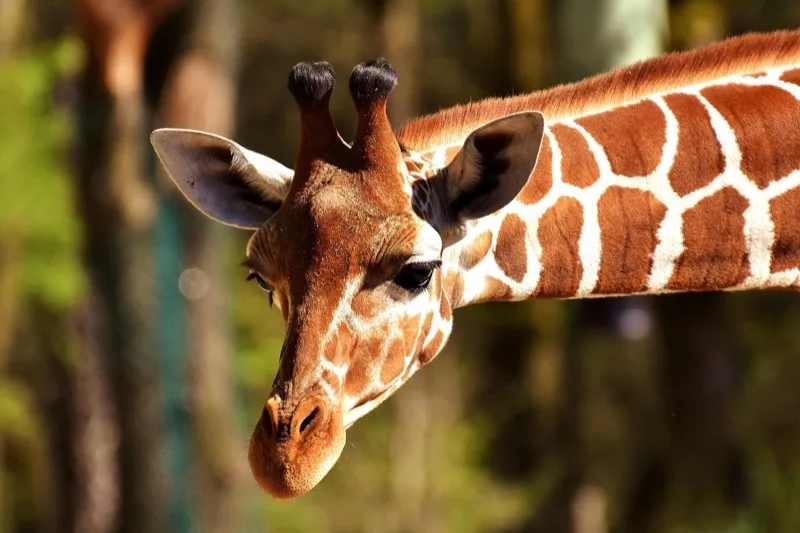
- Samburu in the dry north, for species you won’t see in the Mara, such as Grevy’s zebra and reticulated giraffe.
- Laikipia and Ol Pejeta for rhino and quieter, conservancy-style safaris.
- The Rift Valley lakes (Nakuru, Naivasha) as easy stops on the way.
Tanzania’s highlights
- The Serengeti, many times larger than the Mara reserve. That means more space and fewer vehicles in many areas, but longer drives or flights between sightings and camps.
- The Ngorongoro Crater, a collapsed volcano with a dense population of animals on its floor. There’s nothing quite like it in Kenya.
- Tarangire, known for elephants and baobabs, especially in the dry season.
- Lake Manyara, a smaller park often included on the way.
Beach. Both countries do safari-and-beach well: Kenya has Diani and the coast near Mombasa; Tanzania has Zanzibar. See our safari and beach trips.
What drives the cost
We won’t quote typical prices here, because they swing a lot by season and lodge. These are the things that move the number in each country:
- Park fees. These are a large part of any safari budget. In Kenya, the Maasai Mara reserve fee is set by Narok County and is higher from July to December than from January to June. Private conservancies charge their own fees. In Tanzania, national park fees are generally charged per 24 hours, camps inside parks such as the Serengeti add concession fees, and the Ngorongoro Crater is run by its own authority with separate charges. Fees change, so check the current rates or ask us for an itemised quote.
- Distances. Tanzania’s northern circuit covers more ground. Long road days are cheaper but tiring, and flying between parks saves time but costs more. In Kenya, the Mara is a short flight or a long day’s drive from Nairobi.
- Season. Migration months cost more in both countries. The green season (roughly January to March, outside the April–May rains) is often better value in the Mara.
- Style. A private vehicle with your own driver-guide costs more than a shared departure; lodge level matters more than country. See our safari cost guide, and our private and luxury safaris.
Getting there and around
Nairobi’s Jomo Kenyatta International Airport is one of the busiest hubs in East Africa, with direct flights from London, New York and several European cities. Our guide to flights to Nairobi has the routes. For northern Tanzania, most visitors fly into Kilimanjaro International Airport, often via a connection. Both countries have scheduled light-aircraft flights into the parks.
Doing both in one trip
This is often the best answer if you have ten days or more. Common routes:
- Mara to Serengeti via the Isebania border, following the migration country across the border. Our 7-day Mara, Serengeti & Ngorongoro safari does this.
- Amboseli to Arusha via the Namanga border, then Manyara, the Serengeti and Ngorongoro, as on our 11-day Kenya & Tanzania migration safari.
You need both countries’ paperwork:
- Kenya: the eTA and, since October 2026, the Kenyan Government travel health insurance bought with it. See our Kenya eTA guide.
- Tanzania: a visa (the UK Foreign Office says British visitors should apply for an e-visa in advance at visa.immigration.go.tz) and Tanzanian Government inbound travel insurance, which the FCDO says all non-resident visitors must have.
- A yellow fever certificate. Tanzania requires one from travellers aged one and over arriving from a country with yellow fever risk, and Kenya is one. Speak to a travel clinic early; our malaria and vaccinations guide explains the rules.
If your route comes back into Kenya after Tanzania, check that your Kenyan paperwork covers a second entry.
So which one?
- Travelling July to October, first safari, a week or less: Kenya. The Mara is quick to reach and you can add Amboseli or the lakes.
- Travelling January to March and the migration is the point: Tanzania’s southern Serengeti for the calving.
- Ten days or more, any time from July to October: do both.
- You want the Ngorongoro Crater or Zanzibar: Tanzania, or a combination like our 9-day Safari & Zanzibar.
- Budget matters most: compare a shared departure in either country. Our 9-day Kenya & Tanzania camping safari is a shared group trip.
Tell us your dates on WhatsApp and we’ll tell you honestly which side of the border looks better that month. You can also browse all our trips.
Sources
All checked 3 November 2026. Entry rules and fees change; check the official sites before you travel.
- UK FCDO: Tanzania entry requirements (e-visa, Tanzanian inbound insurance, yellow fever)
- UK FCDO: Kenya entry requirements (eTA, Kenyan travel health insurance)
- Tanzania Immigration e-visa portal
- CDC Yellow Book: yellow fever and malaria information by country (Tanzania and Kenya)
- TravelHealthPro (NaTHNaC): Tanzania
- Migration timing: the usual pattern as described in our Maasai Mara month-by-month guide; it varies with the rains each year.