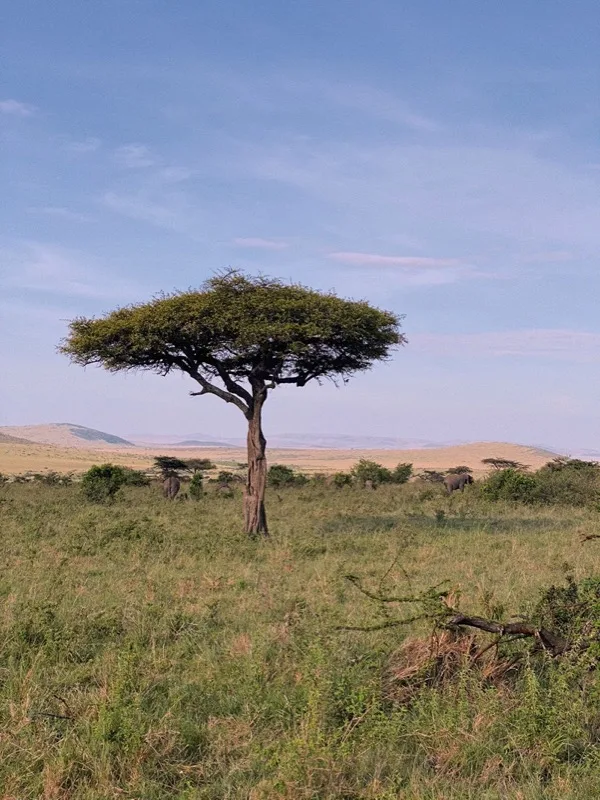
2 days or 3 days in the Maasai Mara? What each one really gets you
A 2-day Mara safari is one afternoon and one morning in the reserve. A 3-day trip adds a full day. How the drives, park tickets and price work, and which one to book.
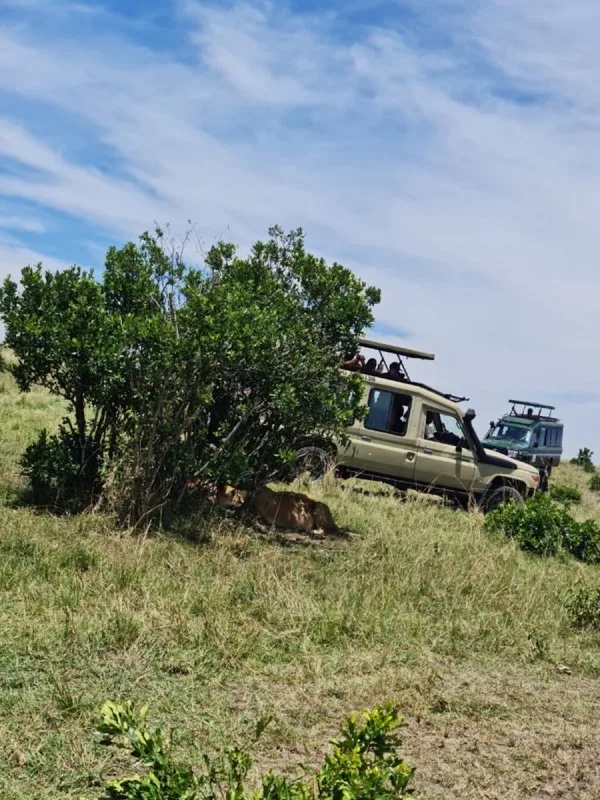
It’s the question we get most from people with a few days in Nairobi: is two days in the Maasai Mara enough, or should it be three? Here’s what each trip actually looks like on the ground, so you can decide with the real timings in front of you.
The drive decides most of it
The Mara is about 270 km from Nairobi. By road that’s a long morning: down the Rift Valley escarpment, through Narok, and the last stretch on rougher roads into the reserve. Plan on most of the morning each way.
So on any road trip, the first and last days are mostly travel. What changes between a 2-day and a 3-day trip is what happens in between.
A 2-day safari (one night)
- Day 1: early pickup in Nairobi, arrive at camp for lunch, then an afternoon game drive until the reserve closes at sunset.
- Day 2: a dawn game drive (the best light, and the cats are most active), back for breakfast, then the drive back to Nairobi, arriving late afternoon.
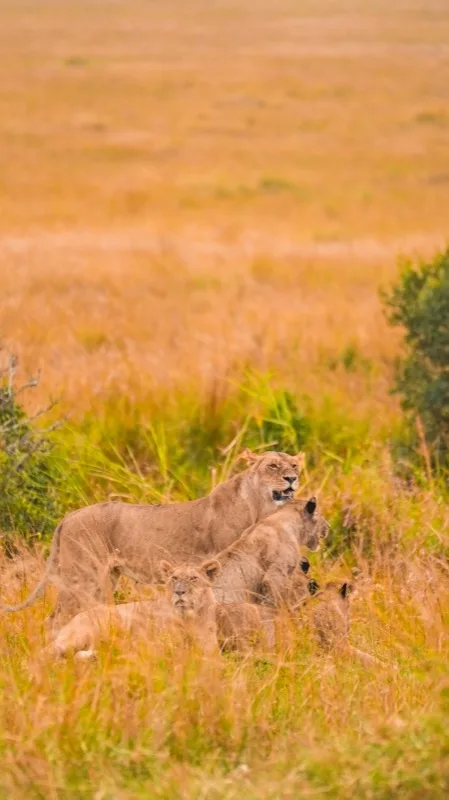
That’s two good game drives: an afternoon and a morning. It’s a real safari, and plenty of people see lions, elephants and buffalo in that time. But there’s no full day in the reserve, so you can’t go deep, for example down to the Mara River or across to the far plains where the guide would take you with more time.
Good for: a short layover, a tight budget, or a first taste before a longer trip.
A 3-day safari (two nights)
- Day 1: drive down, lunch, afternoon game drive.
- Day 2: a full day in the reserve, out early with a picnic lunch, back at dusk.
- Day 3: a last morning drive, breakfast, drive back to Nairobi.
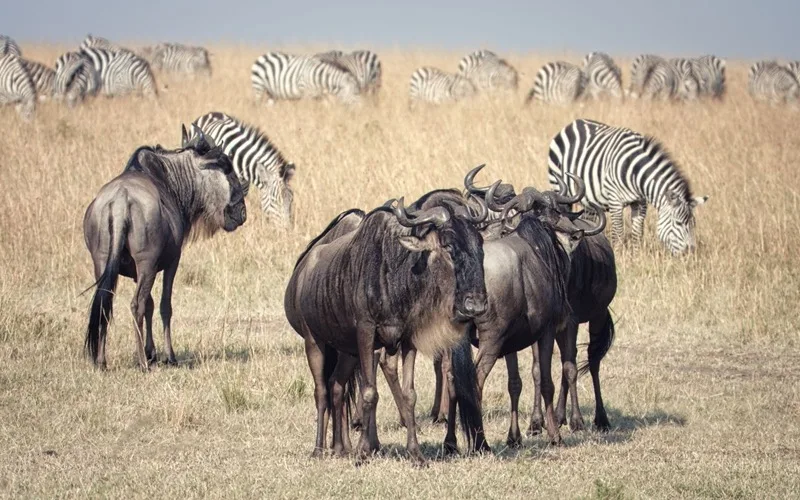
The full day is what makes the difference. Your guide has time to follow a cheetah hunt, wait at a river crossing in migration season, or drive an hour to where the lions were reported that morning. If you’ve come a long way for a safari, this is the trip we’d recommend.
Good for: most first-time visitors, and anyone travelling July to October hoping to see the migration.
How the park tickets work (and why it matters for the price)
The Maasai Mara National Reserve charges per person per 12-hour visit, and a ticket covers one calendar day of game driving. That catches a lot of travellers out:
- A 2-day / 1-night trip with an afternoon drive and a morning drive needs two tickets, not one, because the morning drive is on a new day.
- A 3-day / 2-night trip with drives on all three days needs three.
For non-resident adults the reserve fee is US$100 a day from January to June and US$200 a day from July to December (the reserve’s current tariff). For two people on a 3-day trip in August, that’s US$1,200 in park fees (2 people × 3 tickets × US$200) before anything else. A quote that looks much cheaper than others sometimes leaves a ticket out, so check how many days of park fees are included.
All our Mara prices include every ticket the itinerary needs.
So which should you book?
| 2 days | 3 days | |
|---|---|---|
| Game drives | 1 afternoon + 1 morning | 1 afternoon + 1 full day + 1 morning |
| Time in the reserve | About 7–8 hours | About 18–20 hours |
| Park tickets per person | 2 | 3 |
| Best for | A taste, a layover, tight budgets | First safaris, the migration, photography |
If you can spare the extra day, three days is worth it. The second night costs a room and a ticket, but it more than doubles your time with the animals.
Making a short trip cheaper
- Travel January to June. The reserve fee halves and many camps drop their rates.
- Share the vehicle. A shared departure puts you in a 4x4 with other travellers on fixed dates, which costs much less than a private vehicle, especially for solo travellers.
- Choose a camp just outside the reserve. You still drive in for every game drive.
See the full itineraries and live prices for the 2-day Maasai Mara safari and the 3-day Maasai Mara safari, or tell us your dates on WhatsApp and we’ll price both for you.