When is the best time to see the Mara migration?
Month by month: where the wildebeest are, when the river crossings usually happen, and why February can be a better Mara trip than August.
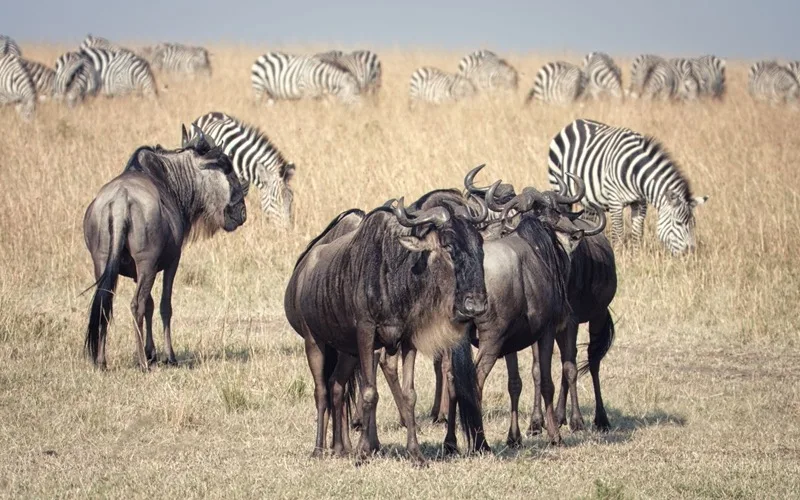
If you only remember one thing: the herds are usually in the Kenyan side of the Mara from mid-July to about early October, and the river crossings tend to be busiest from mid-August through September.
That’s the answer most people want. But “usually” is doing a lot of work in that sentence, so here’s what sits behind it.
The migration isn’t one event
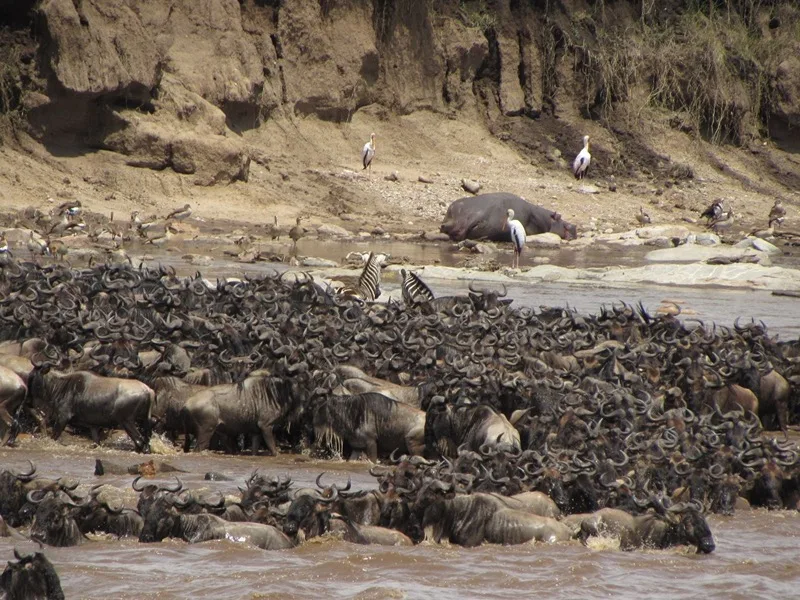
Roughly a million and a half wildebeest, with zebra and gazelle mixed in, spend the year walking a loose circle between Tanzania’s Serengeti and Kenya’s Maasai Mara, following the rain and the fresh grass. The part people travel for, the crossings of the Mara River with crocodiles waiting, only happens while the herds are up in the north of that circle.
The rain decides the timing, not the calendar. A late or early wet season moves everything by a few weeks, so treat the table below as the normal pattern, not a promise.
Month by month in the Mara
| Month | Where the herds usually are | What that means for a Mara trip |
|---|---|---|
| Jan – Mar | Southern Serengeti (calving) | Few wildebeest in Kenya. Resident game, green plains, quieter roads. |
| Apr – May | Long rains, central Serengeti | Wet, lush and very quiet. Some camps close; roads can be hard going. |
| Jun | Moving north through western Serengeti | Still mostly resident game in Kenya. The first herds can arrive late in the month. |
| Jul | Arriving in the Mara | Herds build up. First crossings are possible from mid-month. |
| Aug | Northern Mara | The busiest crossing month, and the busiest month for vehicles. |
| Sep | Northern Mara | Still excellent. Crowds ease a little towards the end of the month. |
| Oct | Drifting back south | Crossings can go the other way. Thinner herds by late October. |
| Nov – Dec | Back in Tanzania | Short rains. The Mara returns to its resident animals. |
Three things worth knowing before you book
A crossing is never guaranteed. A herd can gather on the riverbank for hours and then turn round. You can have a lucky first morning, or wait two days. If crossings are the main reason you’re coming, give yourself at least two full days in the Mara in August or September, and don’t build the whole trip around one photograph.
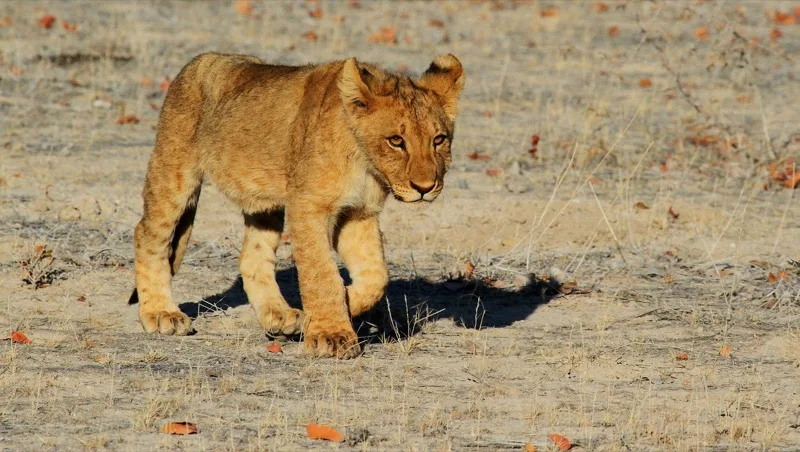
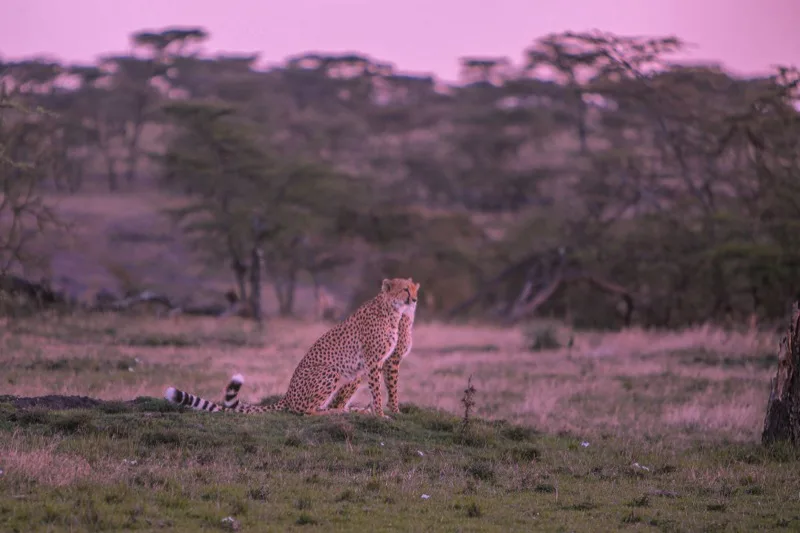
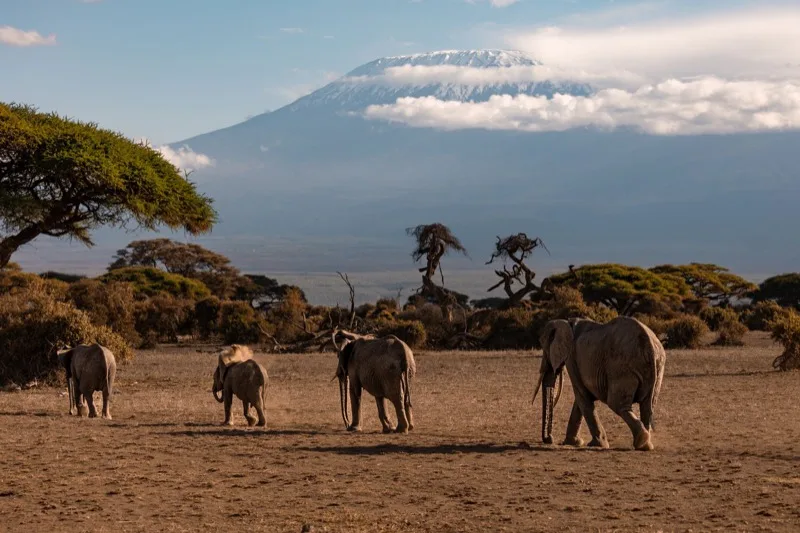
The Mara is good all year. Lion, cheetah, leopard, elephant, buffalo and hippo don’t migrate. In January to March you get the same big cats, green grass, young animals and far fewer vehicles, and lodge rates are lower too. If you’ve seen the migration before, or you’d rather not share a sighting with a line of minibuses, this is the season we’d point you to.
August is busy. Around the popular crossing points you will see a lot of vehicles. A good driver-guide makes a big difference here: knowing when to wait, when to move on, and where the herds are likely to be the next morning.
If you asked us what to book
- First trip to Kenya, and the crossings matter to you: late August or September, with at least three nights in the Mara. Our Great Migration trip runs July to October only.
- You’d rather have quiet and value: January to March. Our 3-Day Maasai Mara is priced lower in those months.
- You want the Mara plus somewhere else: the Mara combines well with Lake Nakuru and Naivasha on the way in, as on our 6-day Mara, Nakuru & Naivasha.
Not sure which month fits your holiday? Tell us your dates on WhatsApp and we’ll tell you honestly what the Mara is likely to look like that week.