Why the Mara matters
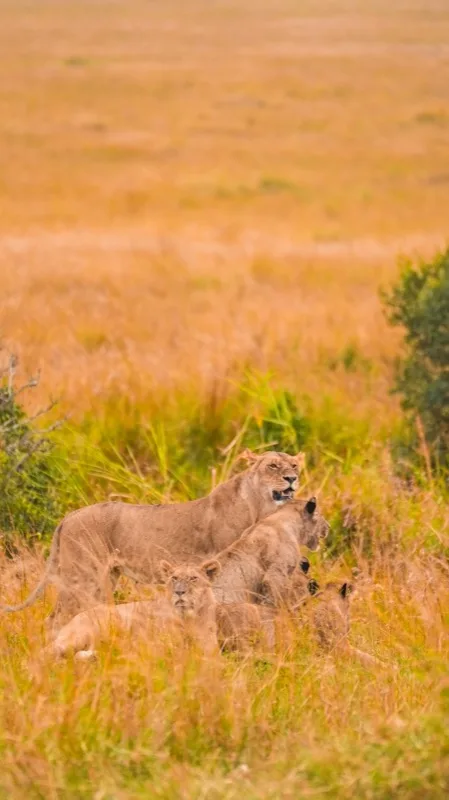
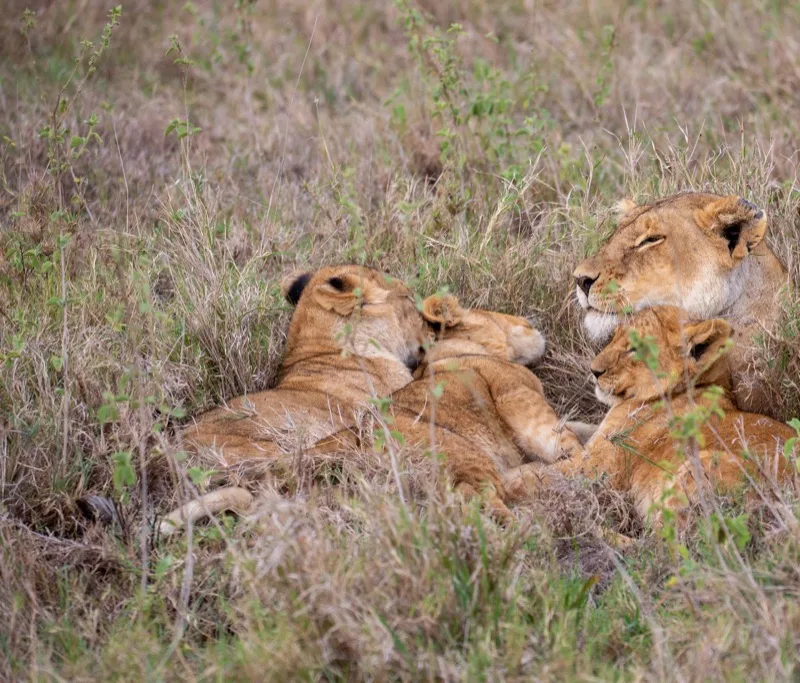
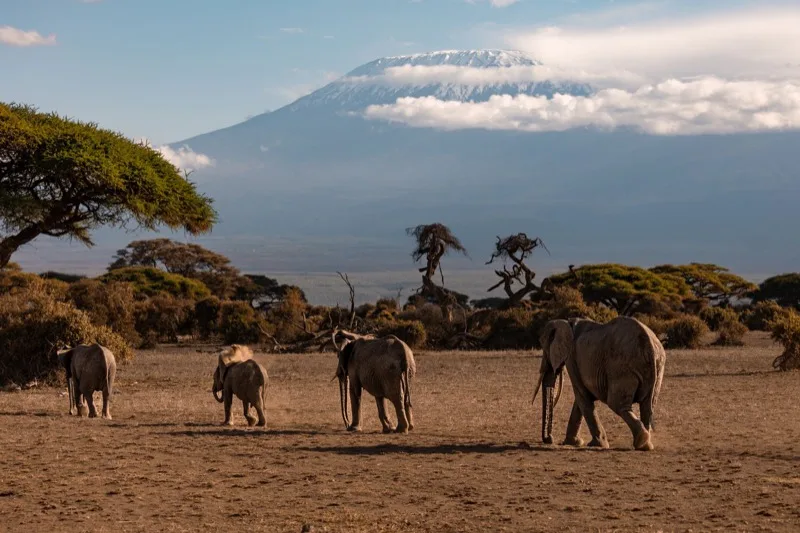
If you’re coming to Kenya for one safari and one safari only, this is where you go. The Maasai Mara — technically the Kenyan northern tip of the Serengeti–Mara ecosystem — is the densest, most reliable wildlife viewing in East Africa. Lion territory is overlapping; cheetah hunt mid-morning in the open; elephant herds cross the Talek river in groups of forty.
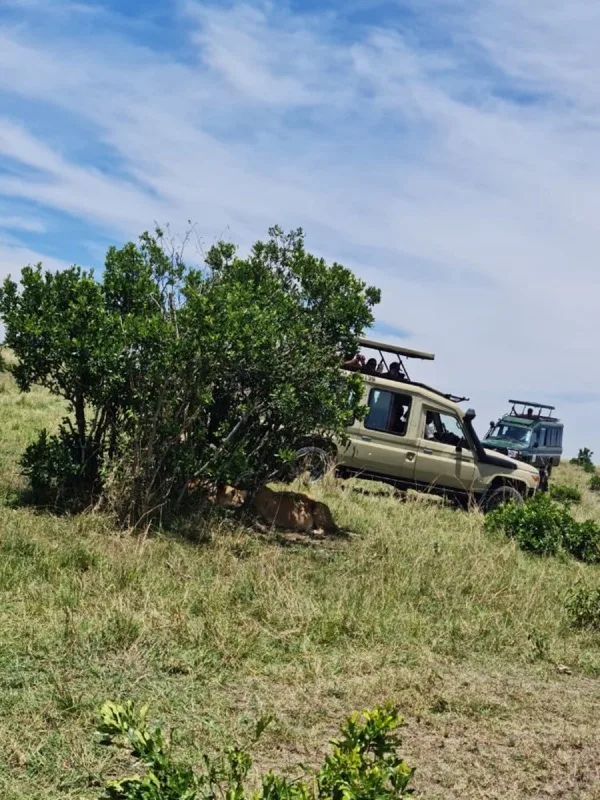
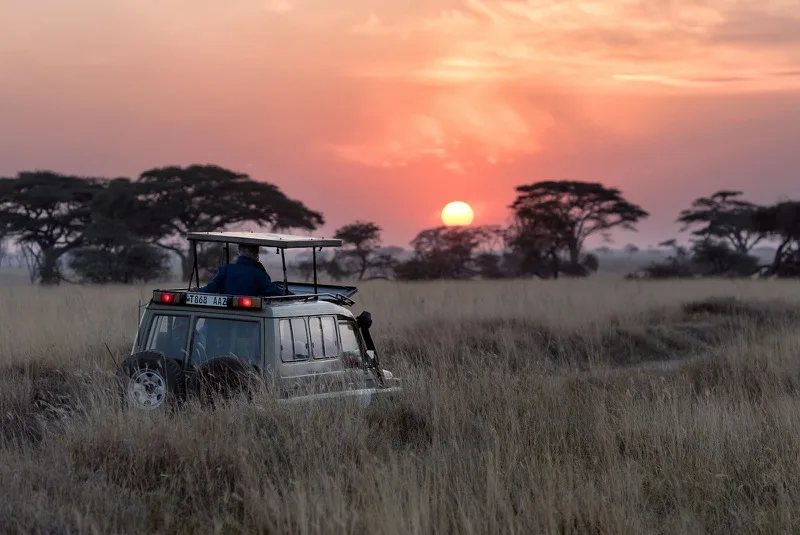
The Mara is also a place to be deliberate about. The National Reserve itself — the “Mara Triangle” and the central reserve — is breathtaking but oversubscribed. In peak season you’ll find fifteen Land Cruisers around a crossing point. The fix is the private conservancies on the edge: Olare-Motorogi, Mara North, Naboisho, Mara Triangle Conservancy. Same wildlife, a fifth of the vehicles, off-road driving permitted, walking safaris with armed Maasai rangers permitted.
We default our guests to the conservancies. The price difference per night is real (typically $200–400/night more than reserve camps), but the experience difference is enormous.
The Great Migration, briefly
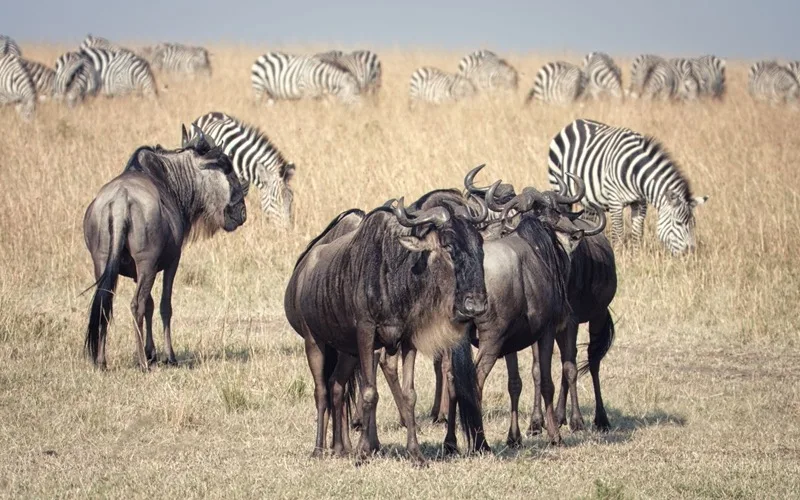
The migration is a year-round circular movement of 1.5 million wildebeest plus 200,000+ zebra and eland across the Serengeti–Mara ecosystem. The bit you came to see — the Mara River crossings, with the crocodiles — is the northern leg of that loop, and the herds are typically in Kenya from mid-July through early October. There’s a fuller piece on this in our journal.
Three things people don’t realise:
- Crossings are not guaranteed in peak season. A herd may not decide to cross for a week. Four-night minimums, please.
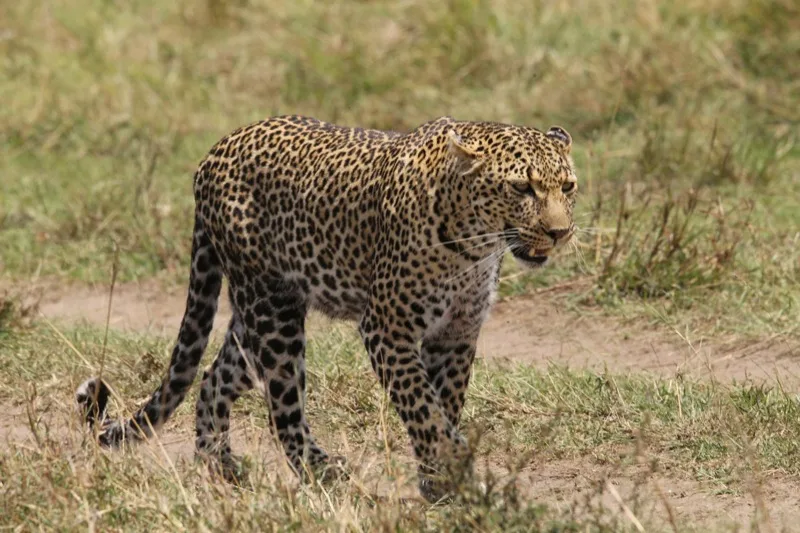
- Resident wildlife is excellent year-round. Most of what you came to see — lion, cheetah, elephant, leopard — does not migrate.
- Conservancy guests can leave the road. That’s the difference between watching a crossing from a queue of twenty vehicles and watching it from a position no one else can be.
Getting there
You fly. Driving the Mara from Nairobi takes 6 hours and adds two days to your trip. There are 6–8 daily light-aircraft flights from Wilson airport (Nairobi’s small-aircraft hub) to a network of dirt airstrips across the Mara. We book this for you. Cost: ~$450 return per person.
JKIA → Wilson is a short drive (45 min, we transfer you). Then it’s a single-engine Cessna or Caravan, 45–60 minutes, into the conservancy strip your camp serves.
Trips into the Mara
Two of our flagships include the Mara: the four-night Mara solo trip and the seven-night Mara + Diani combination. Both available year-round, with seasonal pricing adjustments.
Best time to visit Maasai Mara
- January – March Green season
Baby animals, lush grass, half the crowds and roughly half the price. Excellent predator action — easier to spot cats in shorter grass after the rains. Our quiet recommendation for second-time visitors.
- April – May Avoid
Long rains. Many camps close. Roads turn to butter.
- June Shoulder, picking up
Drying out, animals returning. Migration herds approaching from the south but typically still in the Serengeti.
- July – October Peak
The Great Migration is in Kenya. River crossings start mid-July, peak August–September. Most expensive, most crowded, most spectacular. Book six months ahead.
- November – December Short rains
Afternoon showers, fewer crowds, decent resident game, prices come down. Good time for a budget-conscious trip.
What you'll see in Maasai Mara
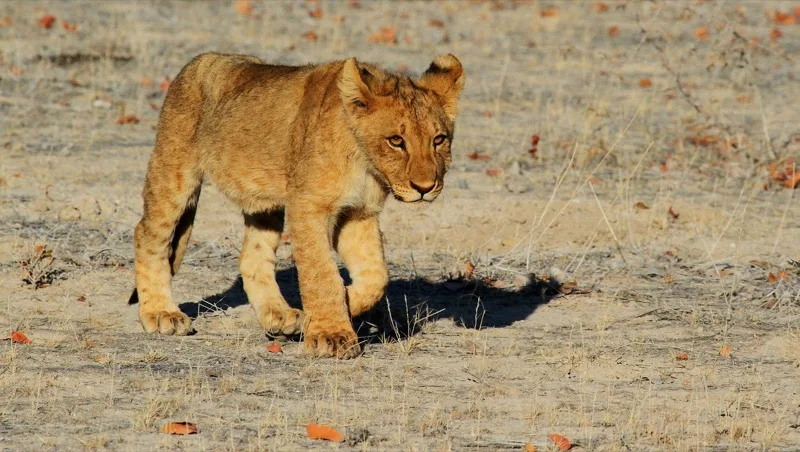
- Lion (very reliable, multiple sightings per day in conservancies)
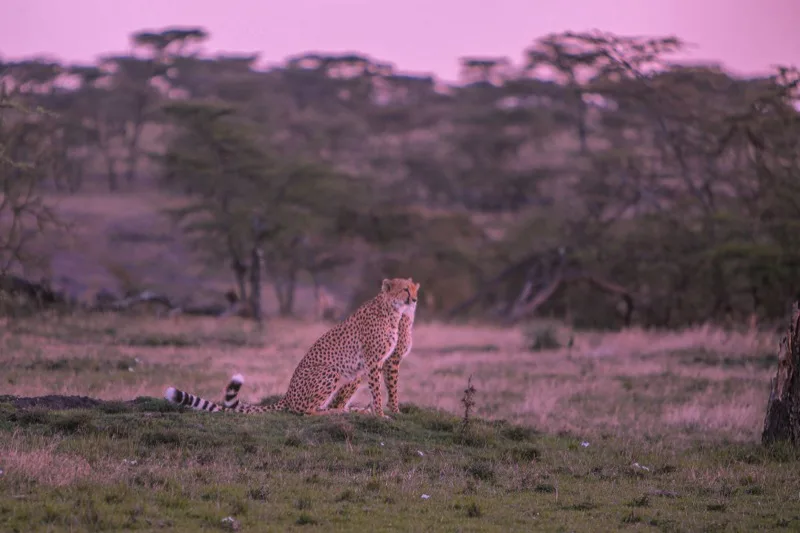
- Cheetah on kopjes, often in coalitions of two or three
- Leopard, harder to find — three nights minimum
- Elephant family herds across the open plains
- 1.5 million wildebeest + 200,000 zebra during the migration
- Hot-air balloon at dawn (optional, $475 pp)
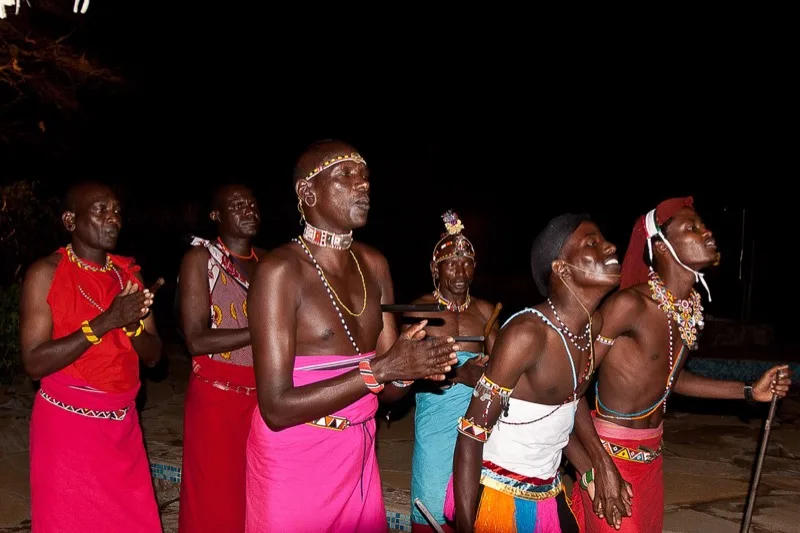
- Maasai community visits — done well, not staged
Where to stay in Maasai Mara
- Mara Plains Camp Top-tier
Seven tents, Olare-Motorogi conservancy. The camp we send most flagship guests to. ~$1,200 pp/night all-inclusive.
- Cottar's 1920s Safari Camp Top-tier
Classic period styling on the southern edge of the Mara. Family suites. ~$1,100 pp/night.
- Mara Bushtops Premium
Heated plunge pools at each tent. Good for couples who want romance over rugged. ~$850 pp/night.
- Naboisho Camp Premium
In Naboisho conservancy. Excellent walking-safari programme. ~$700 pp/night.
- Kicheche Bush Camp Mid-tier
Owner-run, lighter footprint, brilliant guiding. ~$500 pp/night. Our go-to for budget-conscious flagship trips.
Maasai Mara safari — common questions
When is the best time to visit Maasai Mara?
Jul – Oct (peak), Jan – Mar (green season). July – October: The Great Migration is in Kenya. River crossings start mid-July, peak August–September. Most expensive, most crowded, most spectacular. Book six months ahead.
How much does a Maasai Mara safari cost?
Our Maasai Mara packages start from $409 per person, two sharing — that is our lowest-season, entry-tier price, and it includes accommodation, park fees, a driver-guide and Nairobi pickup. Entry-tier options may use a shared 4x4; each package page states the vehicle for every tier. Book online or plan the trip with us on WhatsApp.
How many days do you need in Maasai Mara?
We run Maasai Mara trips from 2 days upward. For the best wildlife viewing we recommend at least 3 days so your guide has time to track the cats and, in season, the migration.
What wildlife will I see in Maasai Mara?
Lion (very reliable, multiple sightings per day in conservancies); Cheetah on kopjes, often in coalitions of two or three; Leopard, harder to find — three nights minimum; Elephant family herds across the open plains; 1.5 million wildebeest + 200,000 zebra during the migration.