Why Laikipia
The Mara is where Kenya shows you its wildlife. Laikipia is where Kenya shows you its conservation.
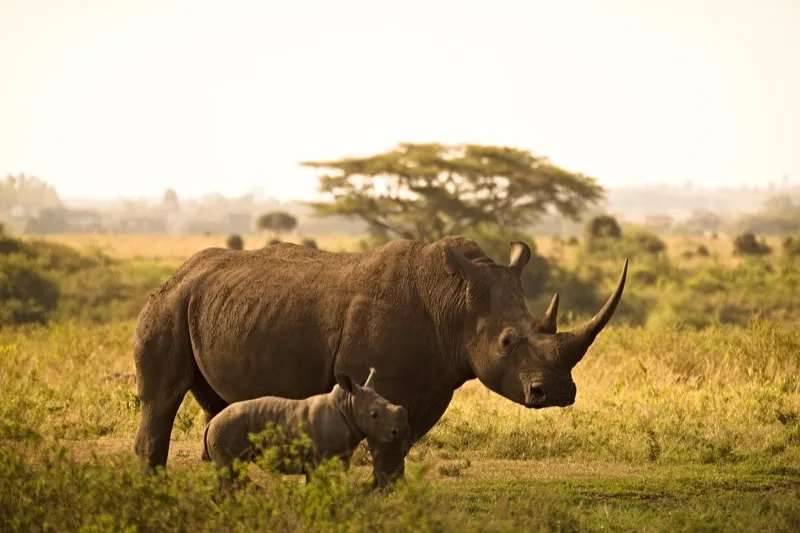
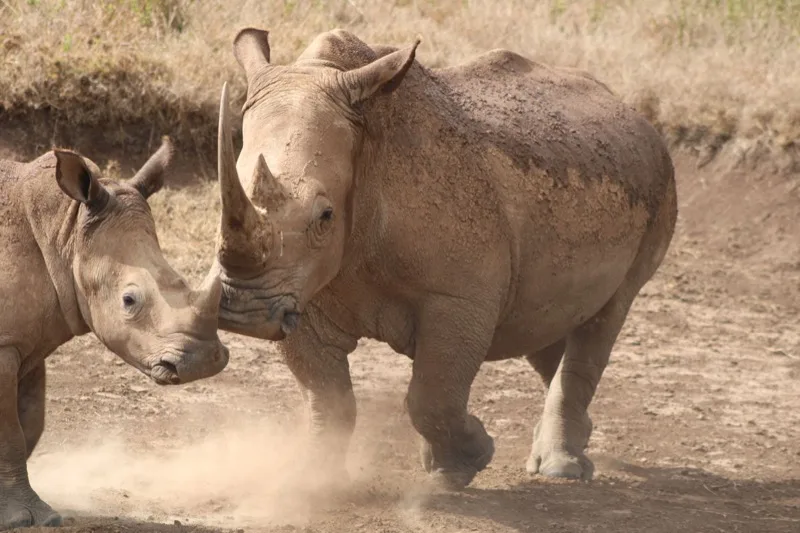
The Laikipia plateau — a high-altitude semi-arid plain stretching north from Mount Kenya — is owned almost entirely by private conservancies and large ranches that have, over the last forty years, become Kenya’s rhino stronghold. Lewa Wildlife Conservancy is one of Kenya’s most successful rhino sanctuaries and part of the Mount Kenya UNESCO World Heritage Site. Ol Pejeta is the only place on earth you can see the last two northern white rhinos: Najin and her daughter Fatu, the final two members of a functionally extinct subspecies. Solio has one of the densest rhino populations on the continent.
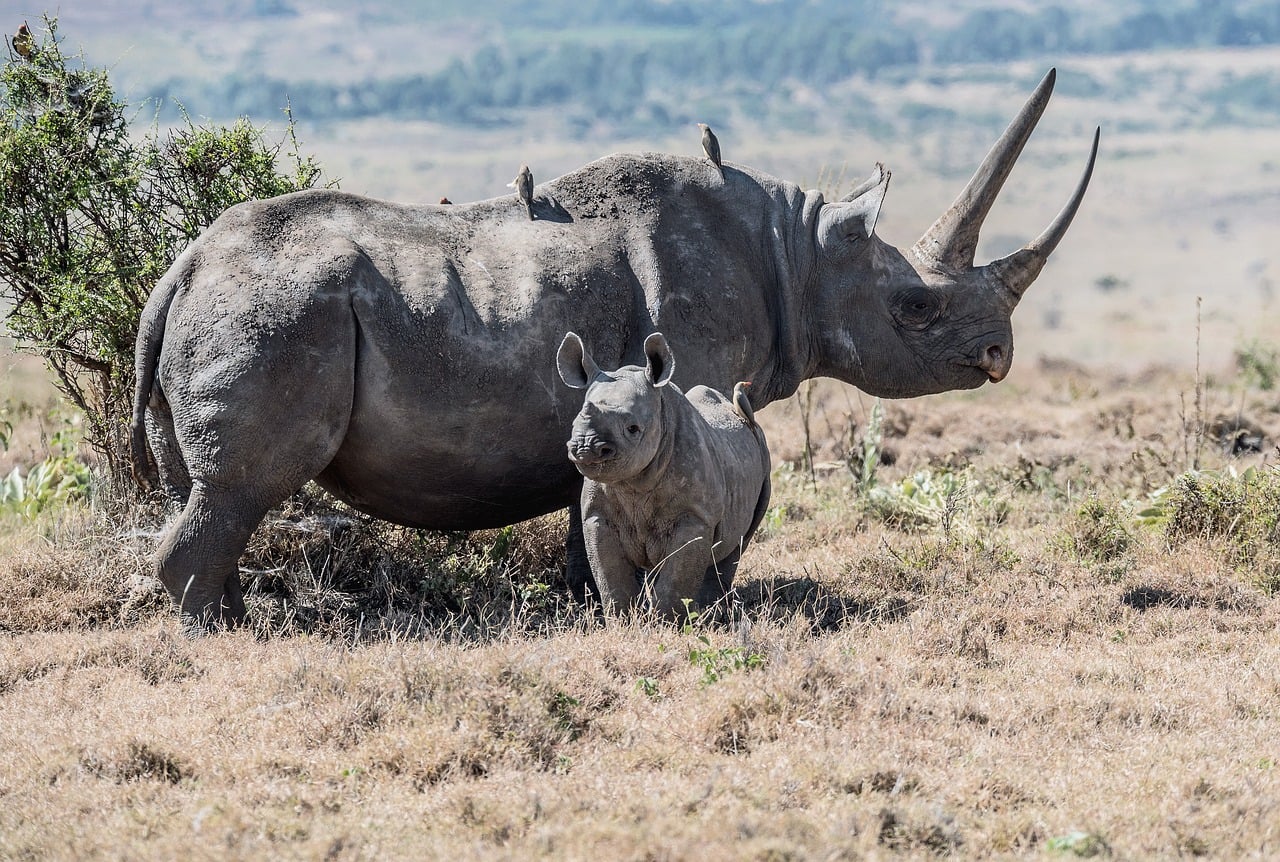
This is a different kind of safari. You will see big cats, but predator density is lower than in the south. What you will get instead is rare species (Grévy’s zebra, reticulated giraffe, chimpanzee), the chance to walk safely on foot with a ranger and track a black rhino, and direct contact with the people doing the work.
For travellers on their second or third trip to Kenya, this is the one we’d recommend.
The northern white rhino visit
Worth saying clearly: spending an hour with Najin and Fatu changes how the rest of the week feels. There are exactly two of them on earth, and neither can carry a pregnancy: Fatu has uterine problems and Najin’s hind legs couldn’t take the weight. The BioRescue team has created 39 IVF embryos from their eggs and stored sperm, to be carried by southern white rhino surrogates. No calf has been born yet. You’re looking at the last of a lineage that stretches back millions of years.
It’s a sad visit, and one most people never forget. We include it in our Laikipia trip.
Getting there
Drive from Nairobi — 3.5 to 4 hours, paved most of the way. We transfer you private.
Fly Wilson → Nanyuki in about 45 minutes. Useful if you’re tight on time or combining Laikipia with a Mara flight.
Onward connections from Laikipia work well to the Mara (fly Nanyuki → Wilson → Mara), to Samburu (about 2–3 hours’ drive north), or back to Nairobi.
Trips into Laikipia
Laikipia pairs naturally with Samburu, a few hours further north. Our 5-night Laikipia + Mount Kenya trip includes Ol Pejeta, Lewa, and a night at the foot of Mount Kenya at a waterhole lodge. The trip works year-round and pairs well with three additional nights on the coast for travellers wanting to add beach time.
Best time to visit Laikipia
- June – October Peak
Long dry season. Clear, mild days and cool nights at altitude, so bring layers. Animals gather at water and the bush is thin.
- January – March Good
Second dry season. Warm days and good game. Christmas to early January is the most expensive window.
- November – December Short rains
Some afternoon showers. The greenest the region looks, with fewer visitors.
- April – May Avoid
Long rains, particularly heavy in this region.
What you'll see in Laikipia
- Black rhino, tracked on foot with an armed ranger
- Najin and Fatu — the last two northern white rhinos in the world
- Grévy's zebra (the larger, narrow-striped species, found almost only in northern Kenya)
- Reticulated giraffe (sharp-edged patches — a different species)
- Chimpanzee sanctuary at Ol Pejeta (only chimps in Kenya)
- Lion, leopard, elephant and buffalo
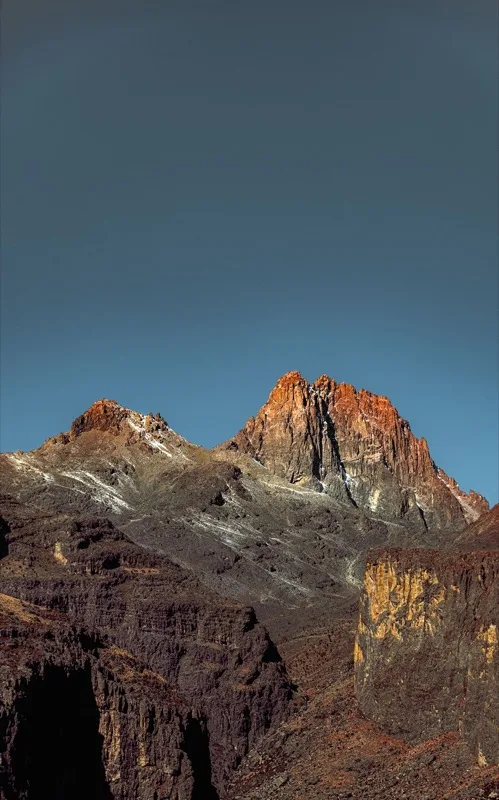
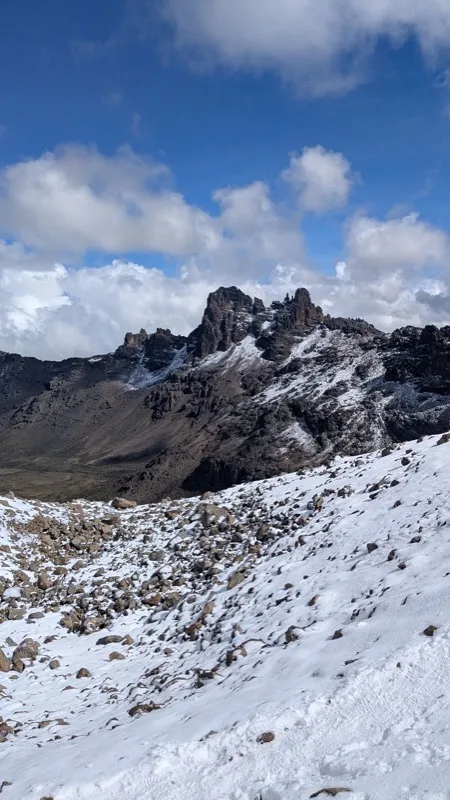
- Mount Kenya's jagged peaks on the horizon on clear mornings
Where to stay in Laikipia
- Sirikoi Top-tier
Owner-run, a handful of suites in the heart of Lewa. Exceptional conservation work.
- Lewa Wilderness Top-tier
Family home of the Craig family, who founded Lewa. Riding, walking, classic.
- Sasaab Premium
Technically Samburu (immediately north), but works in a Laikipia loop. Moroccan-styled, on the Ewaso Nyiro river.
- Ol Pejeta Bush Camp Mid-tier
Inside Ol Pejeta conservancy on the Ewaso Nyiro river. Light footprint, close to the rhino enclosures.
- Solio Lodge Premium
Small lodge on a private reserve with one of the densest rhino populations in Africa.
Laikipia: common questions
When is the best time to visit Laikipia?
Jun – Oct, Jan – Mar. June – October: Long dry season. Clear, mild days and cool nights at altitude, so bring layers. Animals gather at water and the bush is thin.
How much does a Laikipia safari cost?
Our Laikipia packages start from $1,523 per person, two sharing. That's the entry-tier price in the lowest season. Each package page lists exactly what's included (accommodation, transport, guiding and park fees) and the vehicle for every tier. You can book online or plan the trip with us on WhatsApp.
How many days do you need in Laikipia?
Our Laikipia trips start at 3 days. We recommend at least 3 days, so you get several game drives at dawn and dusk, when animals are most active.
What wildlife will I see in Laikipia?
Black rhino, tracked on foot with an armed ranger; Najin and Fatu — the last two northern white rhinos in the world; Grévy's zebra (the larger, narrow-striped species, found almost only in northern Kenya); Reticulated giraffe (sharp-edged patches — a different species); Chimpanzee sanctuary at Ol Pejeta (only chimps in Kenya).