Why Amboseli
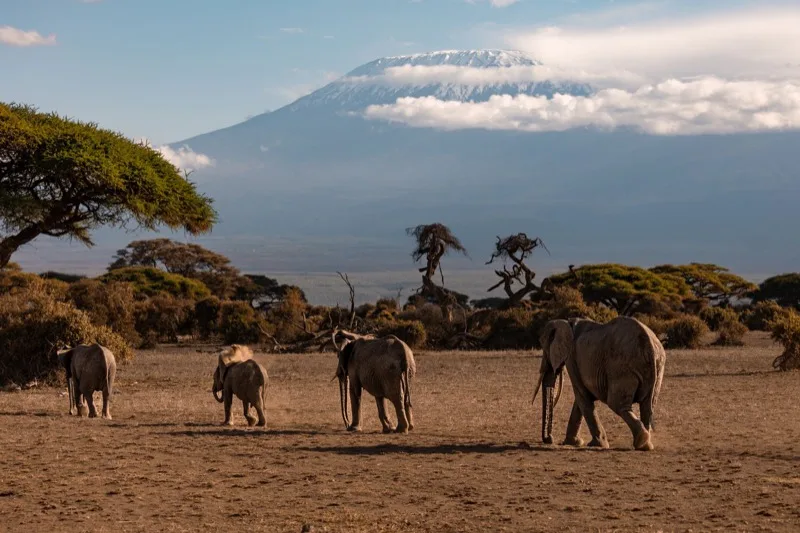
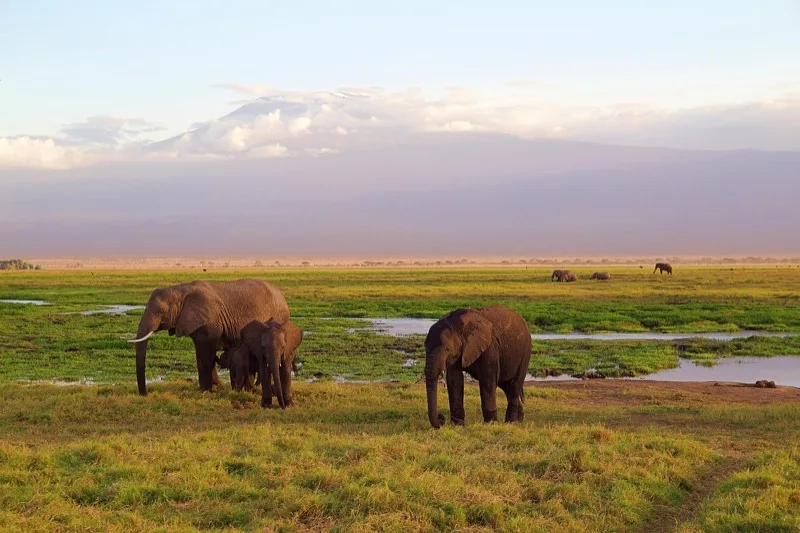
Amboseli is small — about 392 km², a tenth the size of the Mara. It is also flat, dry, and ringed by salt-pan crust and acacia stands. The horizon is Kilimanjaro, which sits 60km away across the Tanzanian border. From October to early March, Kili is reliably visible at dawn before the morning haze sets in.
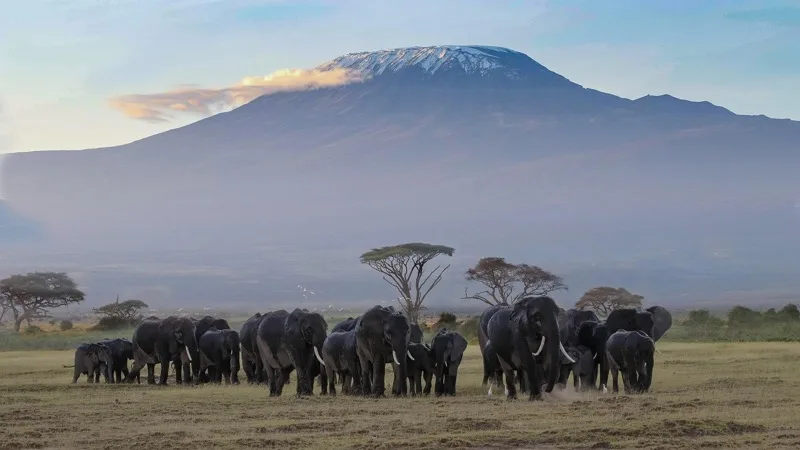
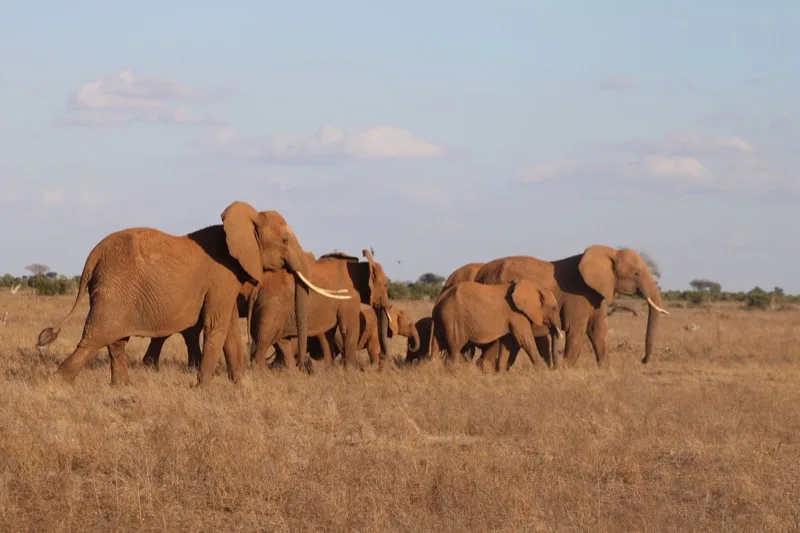
You will not see the wildlife variety you see in the Mara. What you get instead is the elephant trip and the photograph. Amboseli’s elephant herds are some of the largest in Africa — fifty-strong family groups — and the genetic line has produced some of the last hundred-pound-ivory tuskers on earth. The Amboseli Trust for Elephants has been studying the same families for fifty years; every elephant in the park is known by name.
When Kili shows up
This is the part nobody tells you. Kilimanjaro is shy. You will typically see it:
- Just before sunrise (4:30am to 7am) — the mountain is clear, the sky goes from indigo to gold behind it
- Sometimes at sunset (5:30–6:30pm) when convection dies down
- Almost never between 9am and 4pm except in the deep dry season
The implication: plan dawn drives. A guide who tells you it’s fine to leave at 7am is a guide who doesn’t understand Kilimanjaro.
What to actually do on the ground
Amboseli’s small size means you can cover it well in three nights. Days look like:
- Dawn drive out toward Enkongo Narok swamp, where the big herds drink in the morning. Kili behind. The classic shot.
- Mid-morning return to camp. Brunch, pool, nap.
- Late afternoon drive along the marsh tracks. Cheetah possible, hippo definite.
- Observation Hill at least once. It’s the only place in the park you’re allowed out of the vehicle on foot — 360° over the marshes and the elephant lines.
- Optional Maasai community visit. Done well, not staged. We use one specific community where the fee goes to a school we know.
Getting there
Most guests drive from Nairobi. It’s a 4-hour transfer south on the Mombasa road then west — paved most of the way, last 30 km on a graded dirt track. We send a private 4x4 with a driver-guide; you arrive in time for lunch.
You can also fly Wilson → Amboseli, 45 minutes, but it adds $450 pp return and you spend more time at airstrips than you save on the road.
Trips into Amboseli
Our 3-night flagship is the cleanest way to do it. You can also combine Amboseli with the Mara (extends the trip to 8 nights and gets you the two iconic Kenyan parks back-to-back), or with the Chyulu Hills for a more remote variant.
Best time to visit Amboseli
- January – March Peak
Clear skies, dry ground, best Kili views of the year. The photograph people come for is taken in February.
- April – May Avoid
Long rains. Many tracks impassable. Kili almost never visible.
- June – October Good
Dry but hazier than Jan–Mar. Kili less reliable, especially Jul–Aug. Still excellent for elephant viewing.
- November – December Shoulder
Short rains, lower prices, decent game. Some afternoons lost to weather.
What you'll see in Amboseli
- The largest elephant tuskers in East Africa
- Kilimanjaro on the southern horizon (cloud permitting)
- Maasai pastoralists and their cattle alongside wildlife
- Zebra, wildebeest, gazelle in large herds
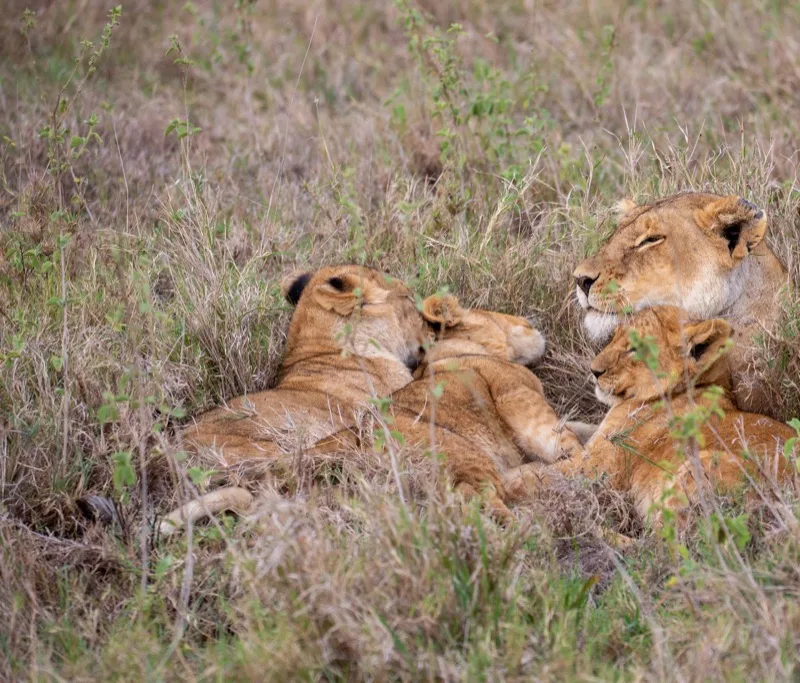
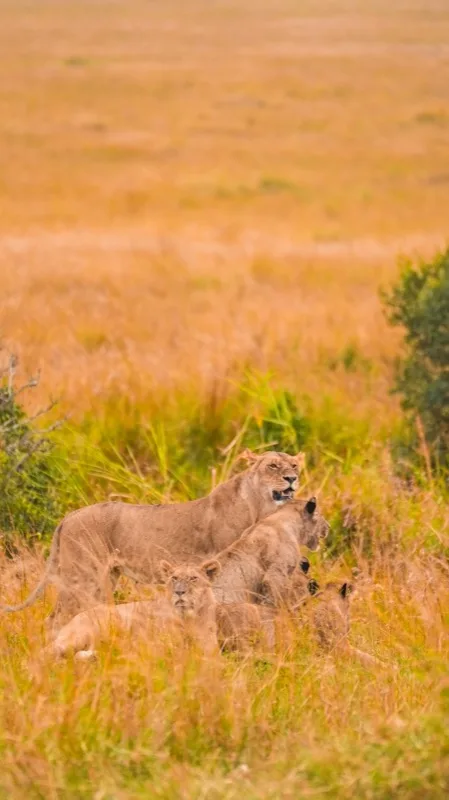
- Hyena, sometimes lion (small resident pride)
- Yellow-collared lovebirds and 400+ bird species
Where to stay in Amboseli
- Tortilis Camp Top-tier
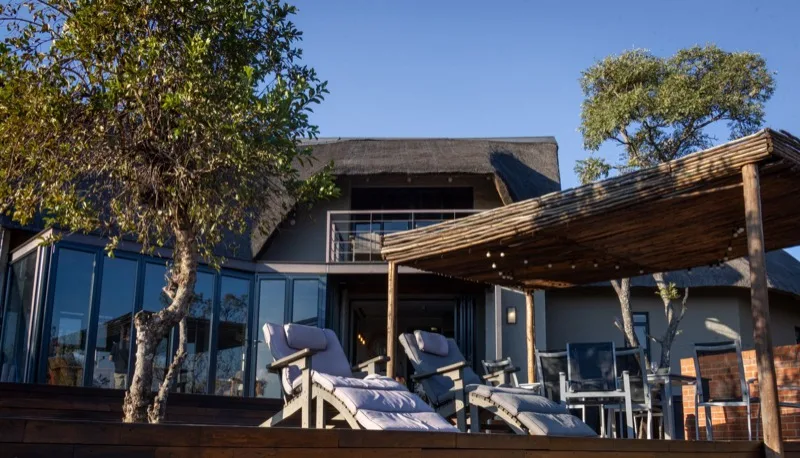
Our default Amboseli camp. Private conservancy adjacent to the park, no day-tripper Land Cruisers. ~$750 pp/night.
- Ol Donyo Lodge Premium
Technically Chyulu Hills, but stunning Kili views and Amboseli within easy reach. ~$1,400 pp/night.
- Tawi Lodge Mid-tier
Conservancy-edge, family-friendly. Pool, decent food. ~$450 pp/night.
- Amboseli Serena Entry
Inside the park, lodge-style not tented. Functional, not romantic. ~$280 pp/night.
Amboseli safari — common questions
When is the best time to visit Amboseli?
Jan – Mar. January – March: Clear skies, dry ground, best Kili views of the year. The photograph people come for is taken in February.
How much does a Amboseli safari cost?
Our Amboseli packages start from $639 per person, two sharing — that is our lowest-season, entry-tier price, and it includes accommodation, park fees, a driver-guide and Nairobi pickup. Entry-tier options may use a shared 4x4; each package page states the vehicle for every tier. Book online or plan the trip with us on WhatsApp.
How many days do you need in Amboseli?
We run Amboseli trips from 2 days upward. For the best wildlife viewing we recommend at least 3 days so your guide has time to track the cats and, in season, the migration.
What wildlife will I see in Amboseli?
The largest elephant tuskers in East Africa; Kilimanjaro on the southern horizon (cloud permitting); Maasai pastoralists and their cattle alongside wildlife; Zebra, wildebeest, gazelle in large herds; Hyena, sometimes lion (small resident pride).