Why Samburu
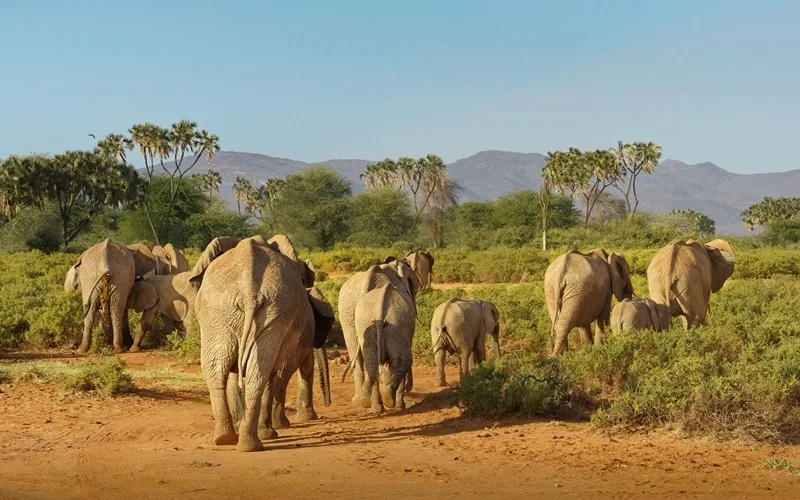
Samburu National Reserve, with neighbouring Buffalo Springs and Shaba, sits in Kenya’s hot, semi-arid north. It looks nothing like the Mara: red earth, doum palms, rocky hills and one green ribbon of river through the middle. Everything comes to that river to drink, and that’s what makes the game viewing so good.
It’s also far less visited. You’ll rarely share a sighting with more than one or two other vehicles, even in peak season.
The Samburu Special Five
These five species are adapted to dry country and live only in northern Kenya and the Horn of Africa. You won’t see them in the Mara or Amboseli:
- Grevy’s zebra: bigger than common zebra, with narrow stripes and round ears. Endangered: about 3,000 remain in the wild, roughly 2,800 of them in Kenya, down more than 80% since the 1970s.
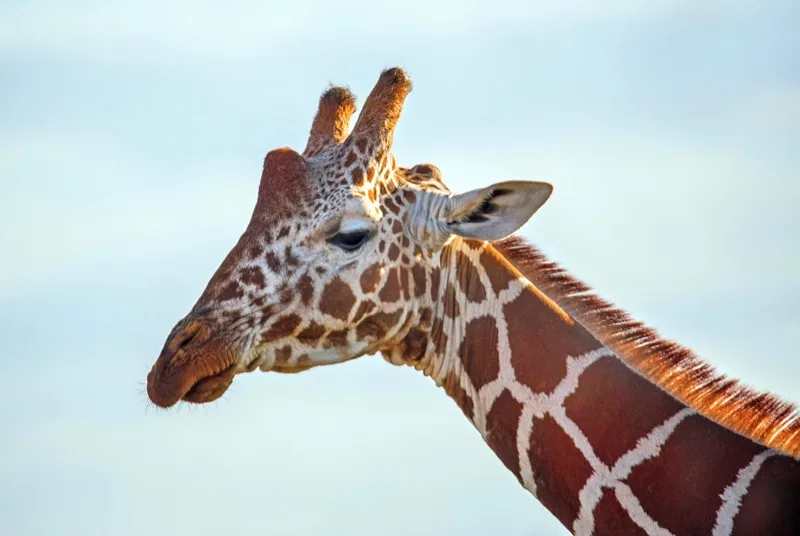
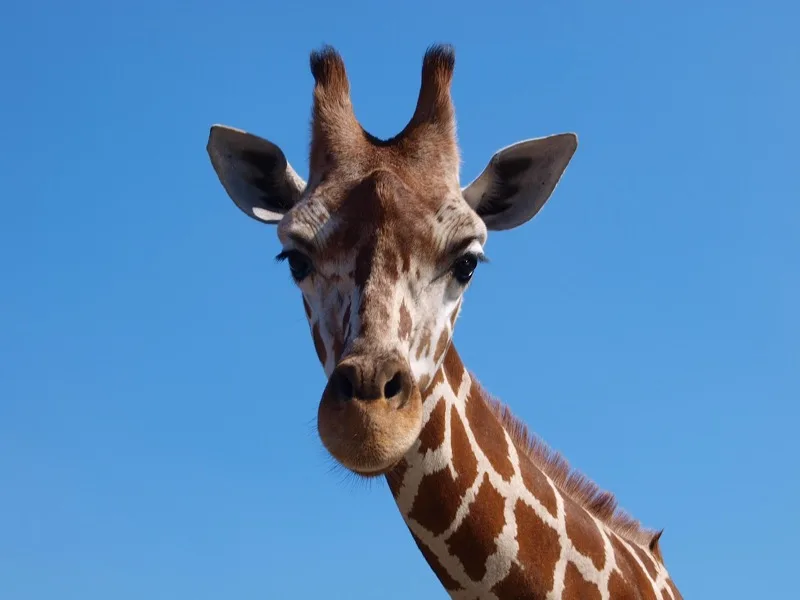
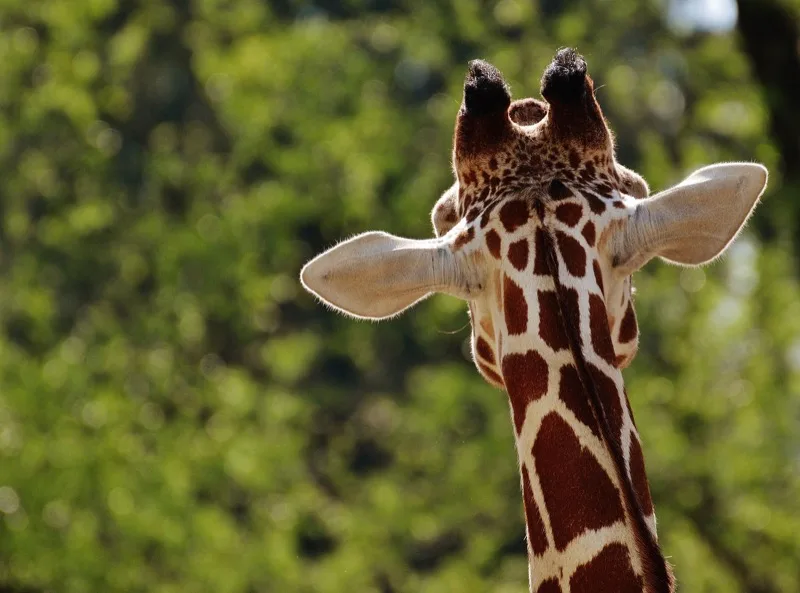
- Reticulated giraffe: crisp, net-like patterns, easily the most photogenic giraffe.
- Somali ostrich: the males have blue-grey necks and legs.
- Beisa oryx: straight spear horns and a black-and-white face.
- Gerenuk: the long-necked antelope that stands on its hind legs to feed.
Two full days are usually enough to see all five.
Getting there
- By road from Nairobi: about 350 km, 6–7 hours north via Nanyuki and Isiolo, on tarmac most of the way. You can break the drive at Ol Pejeta or Mount Kenya.
- By air: Safarilink and AirKenya fly from Wilson Airport to Kalama and Buffalo Springs airstrips in about 1–1.5 hours, depending on stops. Pricier, but it saves most of a day on the road.
Park fees
Samburu is a county-run reserve. Non-residents pay about US$85 per adult and US$40 per child for each 24 hours. Buffalo Springs and Shaba charge separately. Our trip prices include the fees for the reserves on your itinerary.
How it fits a trip
Samburu pairs naturally with Laikipia and Ol Pejeta (rhino, chimps) on the way north, then the Maasai Mara for the classic big-cat plains. That north-to-south route shows you two completely different Kenyas in one trip.
Best time to visit Samburu
- June – October Peak
Long dry season. Wildlife crowds the Ewaso Ng'iro river, the only reliable water for miles. The best viewing of the year.
- December – March Good
Second dry season. Hot days, clear skies and good game, and it fits well with a Christmas or New Year trip.
- November Shoulder
Short rains. The reserve greens up and animals spread out, but storms are usually brief.
- April – May Avoid
Long rains. Sand rivers flood and some tracks close.
What you'll see in Samburu
- The Samburu Special Five: Grevy's zebra, reticulated giraffe, Somali ostrich, beisa oryx and gerenuk
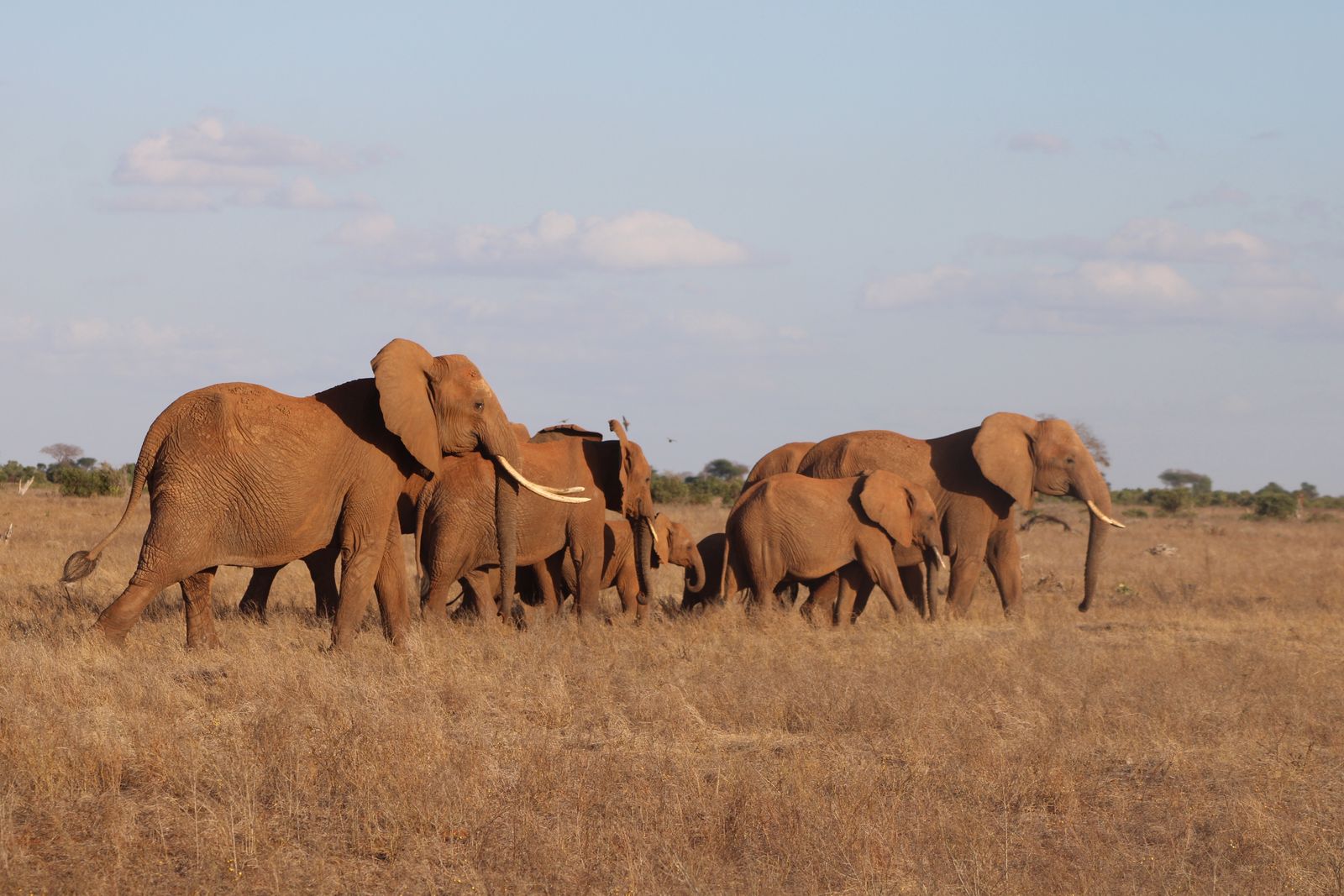
- Elephant families crossing and drinking at the Ewaso Ng'iro river
- Leopard in the riverine forest, one of Kenya's better leopard areas
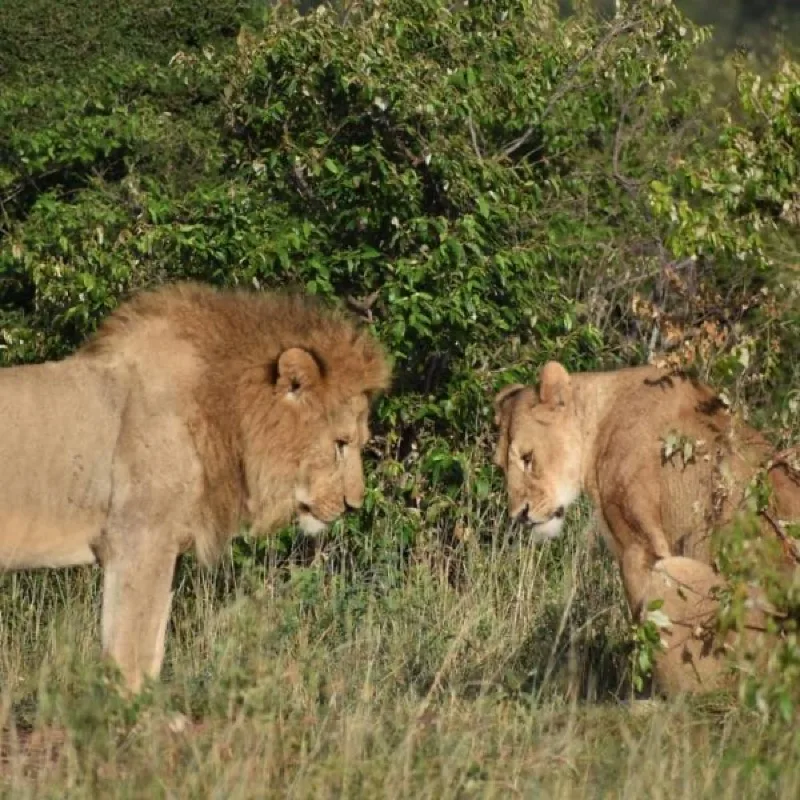
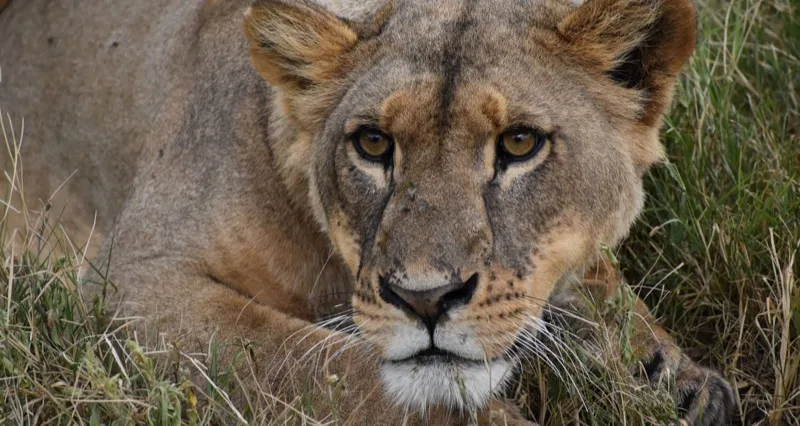
- Lion and cheetah on the open plains
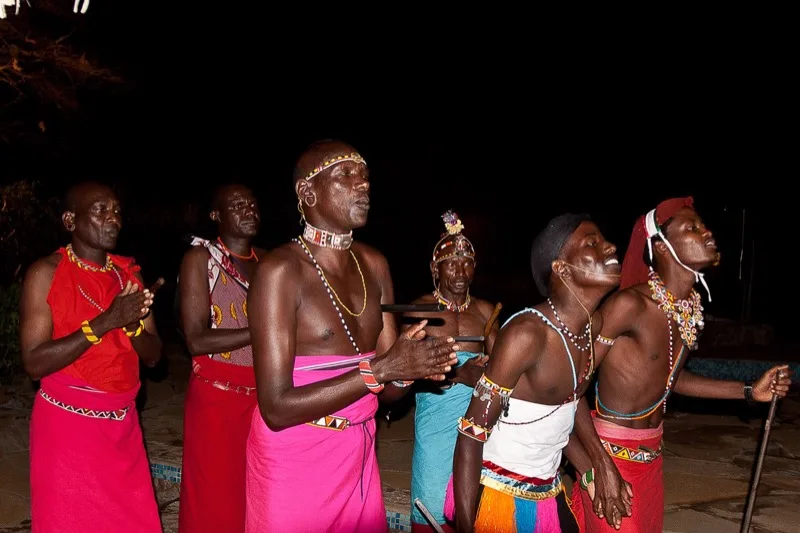
- Samburu herders in traditional beads, living alongside the reserve
- Doum palms, red rock and Mount Ololokwe on the skyline
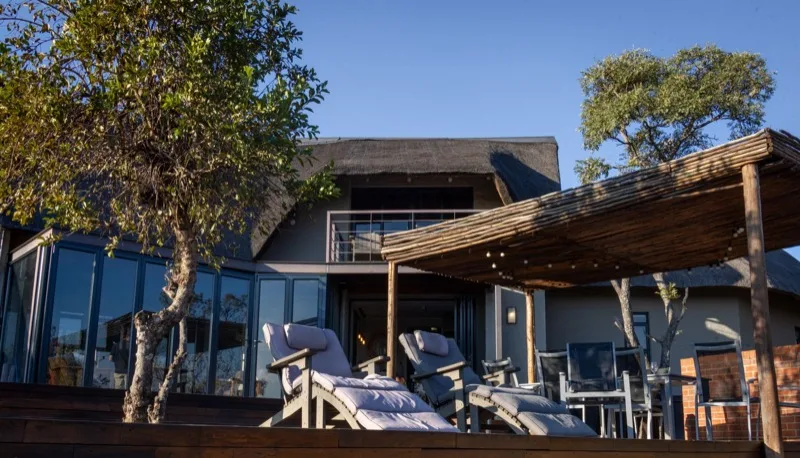
Where to stay in Samburu
- Saruni Samburu Top-tier
Rock-perched villas in the Kalama conservancy next to the reserve. Walking safaris and night drives allowed.
- Elephant Bedroom Camp Mid-tier
Small tented camp on the river. Elephants regularly wander through camp.
- Ashnil Samburu Camp Mid-tier
Tented camp along the south bank of the Ewaso Ng'iro in Buffalo Springs, looking across the river to Samburu. Pool and spa.
- Samburu Sopa Lodge Entry
Set in the hills, away from the cluster of riverside camps. Lodge-style rooms and a pool. Simple, comfortable, good value.
Samburu: common questions
When is the best time to visit Samburu?
Jun – Oct, Dec – Mar. June – October: Long dry season. Wildlife crowds the Ewaso Ng'iro river, the only reliable water for miles. The best viewing of the year.
How much does a Samburu safari cost?
Our Samburu packages start from $1,431 per person, two sharing. That's the entry-tier price in the lowest season. Each package page lists exactly what's included (accommodation, transport, guiding and park fees) and the vehicle for every tier. You can book online or plan the trip with us on WhatsApp.
How many days do you need in Samburu?
Our Samburu trips start at 4 days. We recommend at least 4 days, so you get several game drives at dawn and dusk, when animals are most active.
What wildlife will I see in Samburu?
The Samburu Special Five: Grevy's zebra, reticulated giraffe, Somali ostrich, beisa oryx and gerenuk; Elephant families crossing and drinking at the Ewaso Ng'iro river; Leopard in the riverine forest, one of Kenya's better leopard areas; Lion and cheetah on the open plains; Samburu herders in traditional beads, living alongside the reserve.