
Southern Kenya · 4 days · 3 nights · Best Jan – Mar
Amboseli
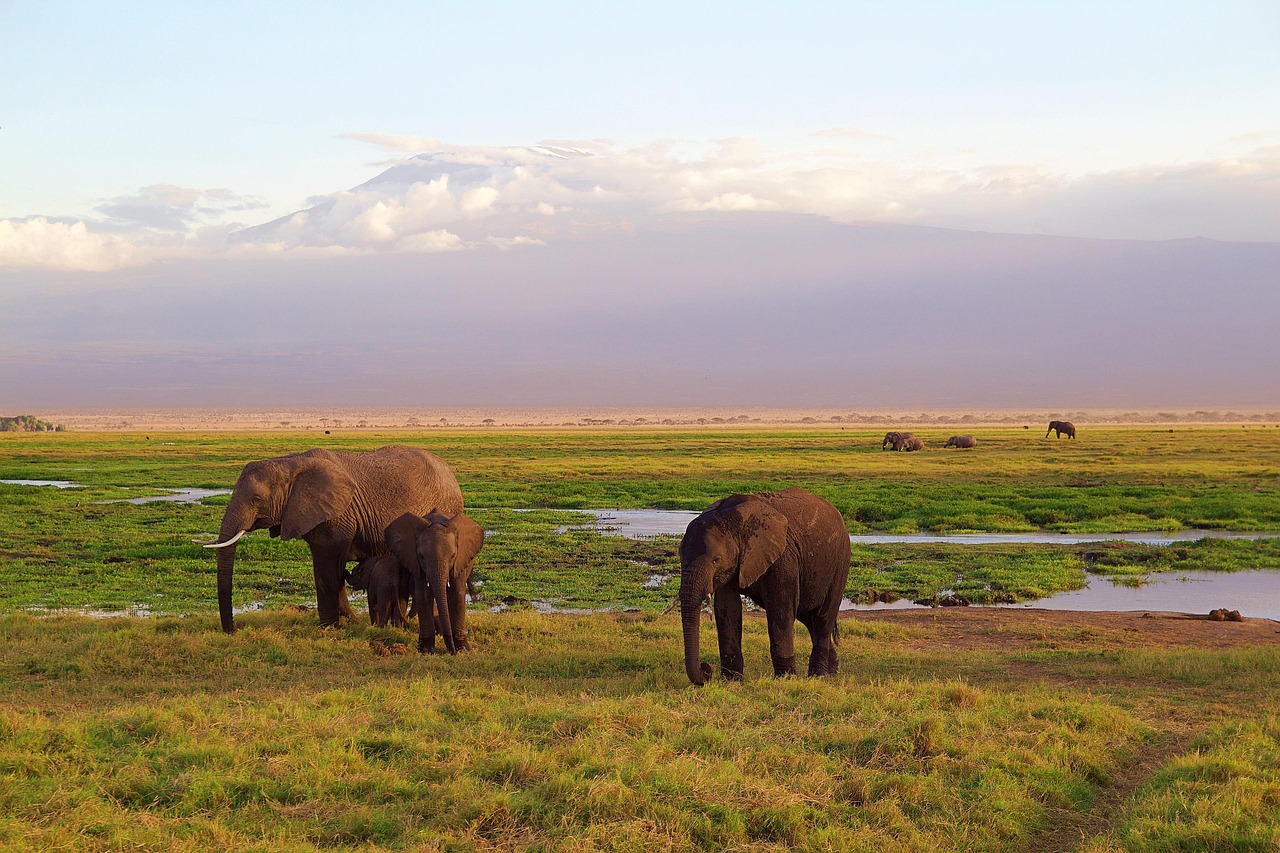
If the Mara is the lion trip, Amboseli is the elephant trip. The park is small, flat, and dominated by Kilimanjaro on the southern horizon. The elephant herds here are some of the largest in Africa — and one of the few places where you can reliably photograph a hundred elephants with snow-capped Kili behind them.
From $1,850 per person
Specimen itinerary for planning purposes only — not a confirmed booking document.
Logistics & transport
- Pickup
- Confirmed 24 hours before departure on WhatsApp
- Guide language
- As selected at booking
- Group
- Private / small group · max 6 guests
Where you'll stay
Lodging varies by trip — tented camp, safari lodge, beach hotel, or city hotel as your package requires. The property for this package is confirmed in writing after you book — ask us on WhatsApp if you want options before paying.
Included in your package price — exact camp, lodge, or hotel confirmed after booking.
Indicative schedule — day by day
Planned rhythm for your trip — your guide may adjust on the day for conditions, light and wildlife.
Day 1: Nairobi → Amboseli
4-hour drive south from Nairobi (we serve a proper packed lunch — not the petrol-station kind). Arrive Amboseli Sopa Lodge by mid-afternoon. Game drive at 4pm — first elephants in the first hour, usually.
Day 2: Kili at dawn, then the marshes
Up at 5:30am for sunrise over Kilimanjaro — Kili is shy and often hides behind cloud by mid-morning, so dawn is the moment. Morning drive through Enkongo Narok swamp, where the big elephant herds gather to drink. Afternoon at leisure, optional Maasai community visit.
Day 3: Observation Hill, fly-camp dinner
Climb Observation Hill at first light — only spot in the park you're allowed out of the vehicle, 360° over the marshes. Afternoon game drive. Dinner is at a fly-camp set up in the bush — five tables, lanterns, fire, the Milky Way.
Day 4: Final drive, return to Nairobi
Sunrise drive, brunch at camp, road transfer back to Nairobi. Arrive by mid-afternoon.
Trip inclusions
- All accommodation on full-board
- Park entry fees
- Private 4x4 + driver-guide
- All road transfers
- Bottled water
- 24/7 WhatsApp line
Trip exclusions
- International flights
- Kenya eTA (government fee payable online — we help you apply)
- Travel insurance
- Maasai community visit ($30 pp, optional, all fee to the community)
- Tips
Preparation & packing
Before you go
- This section is general Kenya travel guidance — not a substitute for official advice or your doctor.
- We confirm trip-specific details (property, pickup times, park rules) with you on WhatsApp before departure.
- Questions about Amboseli? Message us anytime — we'd rather you ask than guess.
Visa & entry
- Most visitors need a Kenya eTA before travel — apply at etakenya.go.ke and check the current fee and rules.
- Passport usually needs 6+ months' validity and blank pages — verify with your airline and immigration.
- Keep a printed copy of this itinerary and your eTA approval for border control.
Health
- Yellow fever certificate may be required depending on where you are travelling from — check Kenya's latest entry rules.
- Malaria prevention is commonly recommended for safari areas — ask your doctor well before you fly.
- Travel insurance with medical evacuation cover is strongly recommended.
- Bring personal medication in original packaging.
Weather & clothing
- Safari mornings and evenings are often cooler than midday — layers work better than one heavy coat.
- Neutral colours (khaki, olive, beige) are standard for game drives.
- Rain can appear in any season — a light waterproof layer is worth packing.
- We send a short weather note for your dates once your trip is confirmed.
Packing list
- Comfortable closed shoes for walking + sandals for camp or lodge
- Sun hat, sunscreen, sunglasses
- Binoculars if you have a pair (optional — ask us if you'd like a recommendation)
- Power bank + travel adaptor (Kenya commonly uses Type G plugs, 240V)
- Soft bag often works better than a hard suitcase if your trip includes light-aircraft legs — we'll confirm luggage limits for your routing
- Some cash in USD (clean, newer bills) or KES for tips and small purchases
- Insect repellent
Money & connectivity
- Cards work in Nairobi and at many properties; cash is still useful for tips and markets.
- M-Pesa is widely used in Kenya — we can walk you through it on arrival if helpful.
- Wi‑Fi varies by property (lodge, camp, or hotel) — signal on game drives is usually limited.
- Tipping customs vary by property and guide — we share current guidelines for your trip before you travel.