Travelling solo on a Kenya safari: a practical guide for women
What a day on safari actually looks like when you're on your own, how to think about safety, single supplements, and the choices that make a solo trip easier.
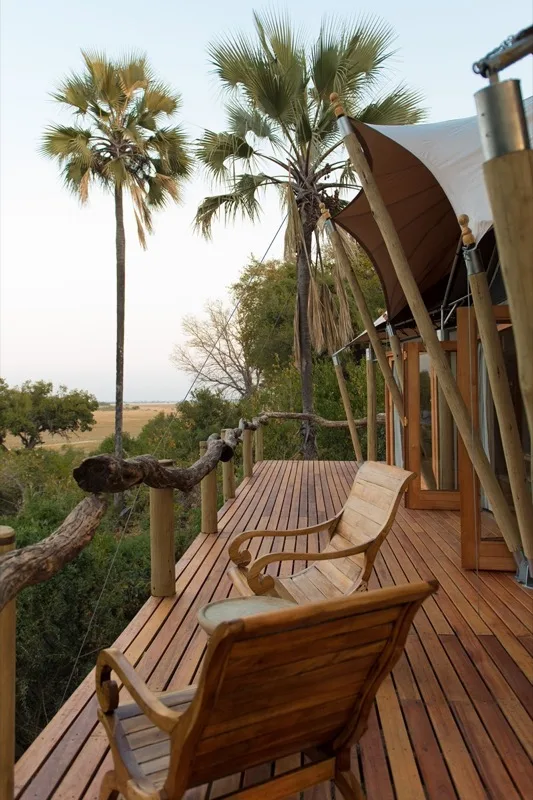
Most of the solo travellers who get in touch with us ask some version of the same question: is it a good idea to do a safari on my own? Our answer is yes. Here’s what it’s really like, and what we’d think about before booking.
You’re rarely actually alone
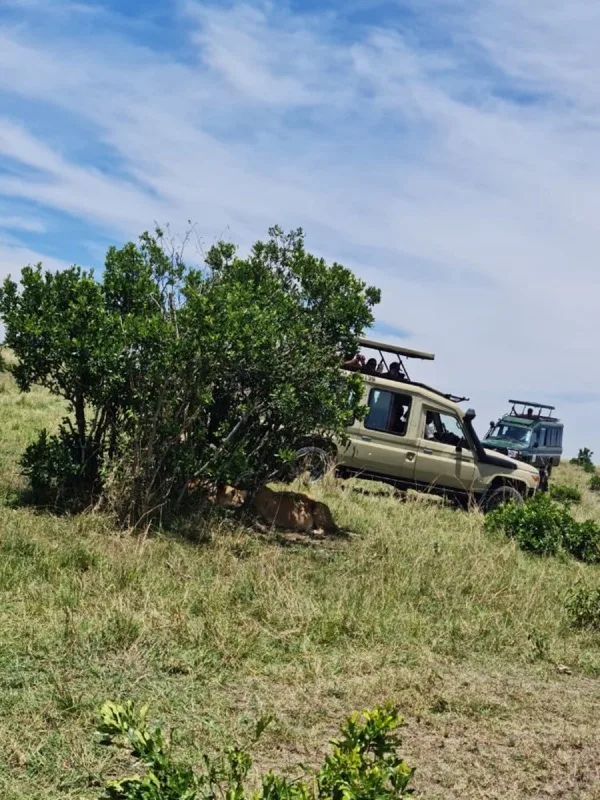
A safari day has a set rhythm. You’re up early, out on a game drive with your driver-guide for a few hours, back at the lodge for breakfast, then free in the middle of the day when the animals are resting too. In the late afternoon you go out again and come back around sunset for dinner.
At almost every point, there’s someone whose job is to look after you: your guide, the lodge staff, the askari who walks you to your room after dark. “Solo” on safari mostly means you set your own pace and nobody negotiates over the itinerary with you.
Safety, plainly
Inside the parks and lodges, the practical risks are things like dehydration, the sun, and walking around camp at night without an escort, which lodges don’t allow anyway. The situations where visitors to Kenya do run into trouble tend to be elsewhere: walking alone in cities after dark, using unlicensed taxis, or booking very cheap trips with operators nobody can hold to account.
Some simple things help:
- Book with a licensed operator. Kenyan tour operators are licensed by the Tourism Regulatory Authority. Ours is TRA1/47/C01/92463, and you can ask any company for theirs.
- Keep one driver-guide for the whole trip where you can, so you’re with someone you know from the airport to the last game drive.
- Have a way to reach your operator at any hour. With us it’s WhatsApp, and you reach one of the two of us directly.
- Plan your Nairobi nights. If you’re staying in the city before or after the safari, choose somewhere central and staffed, and use a transfer or a ride-hailing app rather than street taxis.
Single supplements
Lodges price rooms for two, so a single traveller usually pays a supplement. It varies a lot by lodge and season. Two ways around it:
- Join a shared trip. Our Solo & Social safari is built for solo travellers: twin-share tents with no single supplement, and a shared vehicle, so you have company if you want it.
- Travel in the green season, when some lodges reduce or drop their supplements.
If you’d rather have your own room and vehicle, we’ll show you the real difference in price before you decide.
Choices that make a solo trip easier
Stay two nights or more in each place. Changing lodges every day is tiring on your own. Longer stays give you time to rest and get to know the guide.
Ask for a lodge with a pool or a good lounge. The middle of the day is long when you’re alone, and a comfortable place to read makes a difference.
Don’t be shy at dinner. Most guests are couples or families, but many lodges will happily seat solo travellers together, or you can simply eat on your own with a book. Both are normal.
Dress for comfort, and a little for respect. At lodges and in the parks, wear what you like. In towns and villages, covering knees and shoulders is polite, and light long sleeves also help against mosquitoes.
Say what you want to skip. If you’d rather sleep in and miss a morning drive, tell your guide. It’s your trip.
Where to start
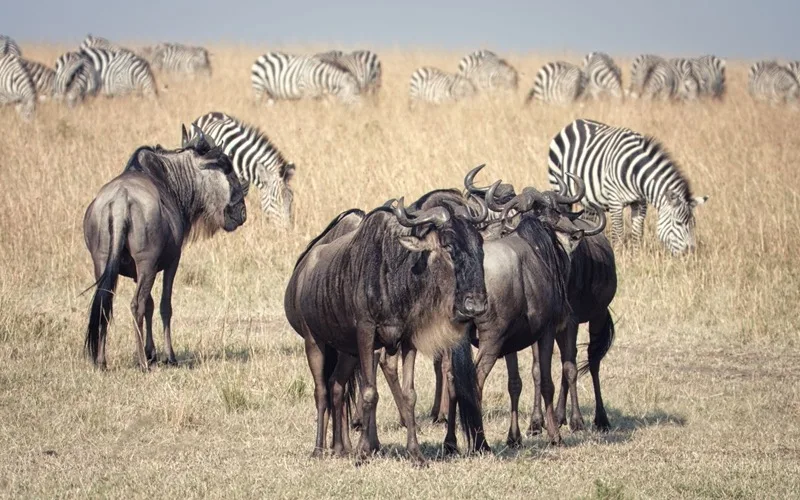
For a first solo safari, three or four nights in the Maasai Mara with a stop at Lake Nakuru on the way is a good shape. It’s enough to see the big animals properly without too many long drives.
If you’d like to talk it through first, message us on WhatsApp. We’re happy to answer questions even if you’re not ready to book.